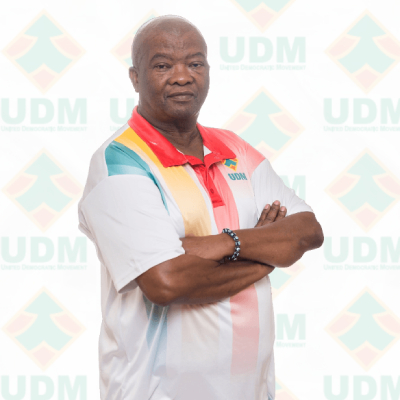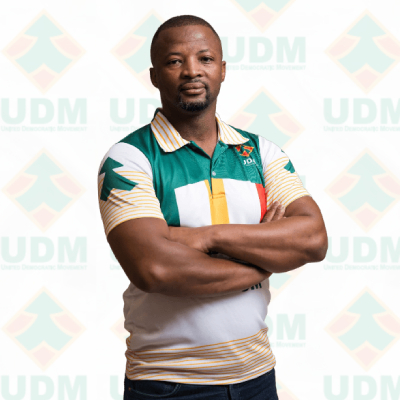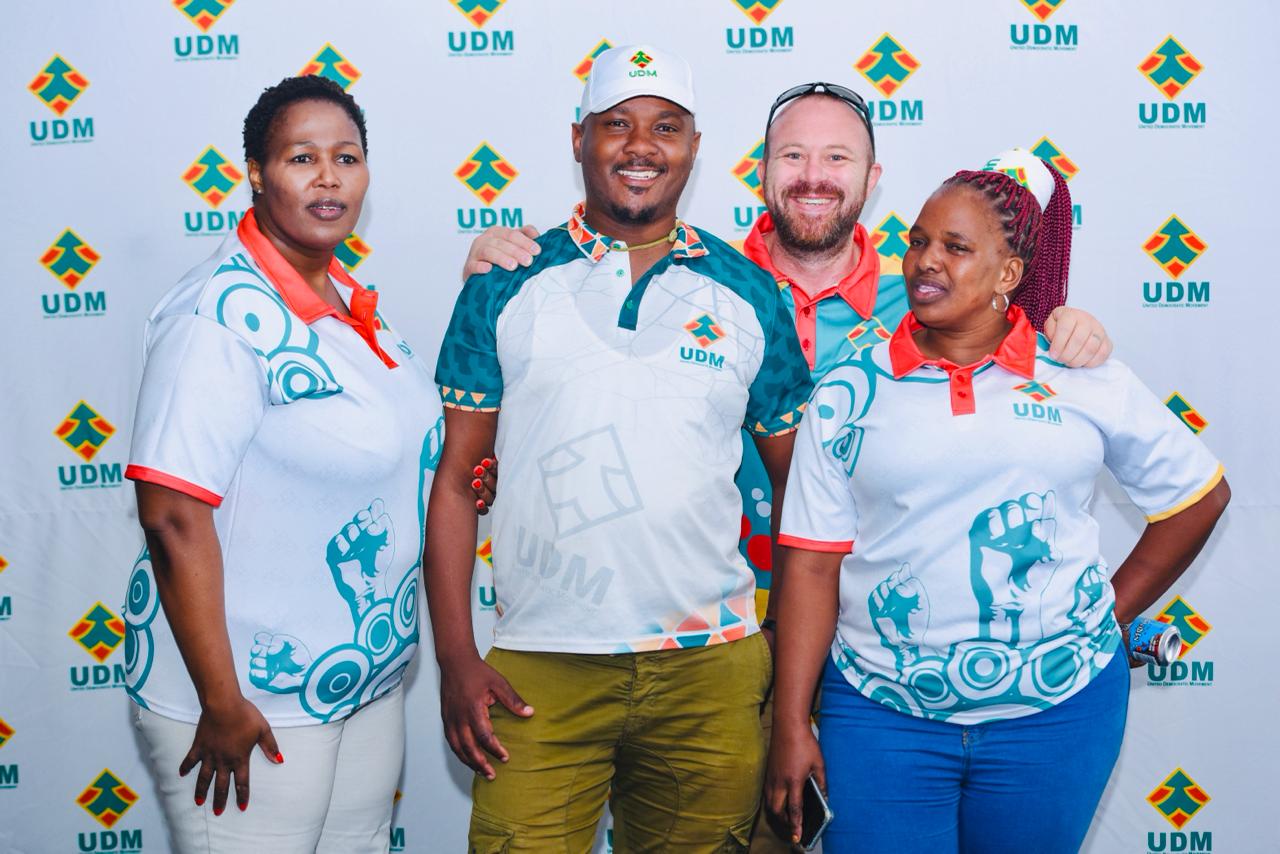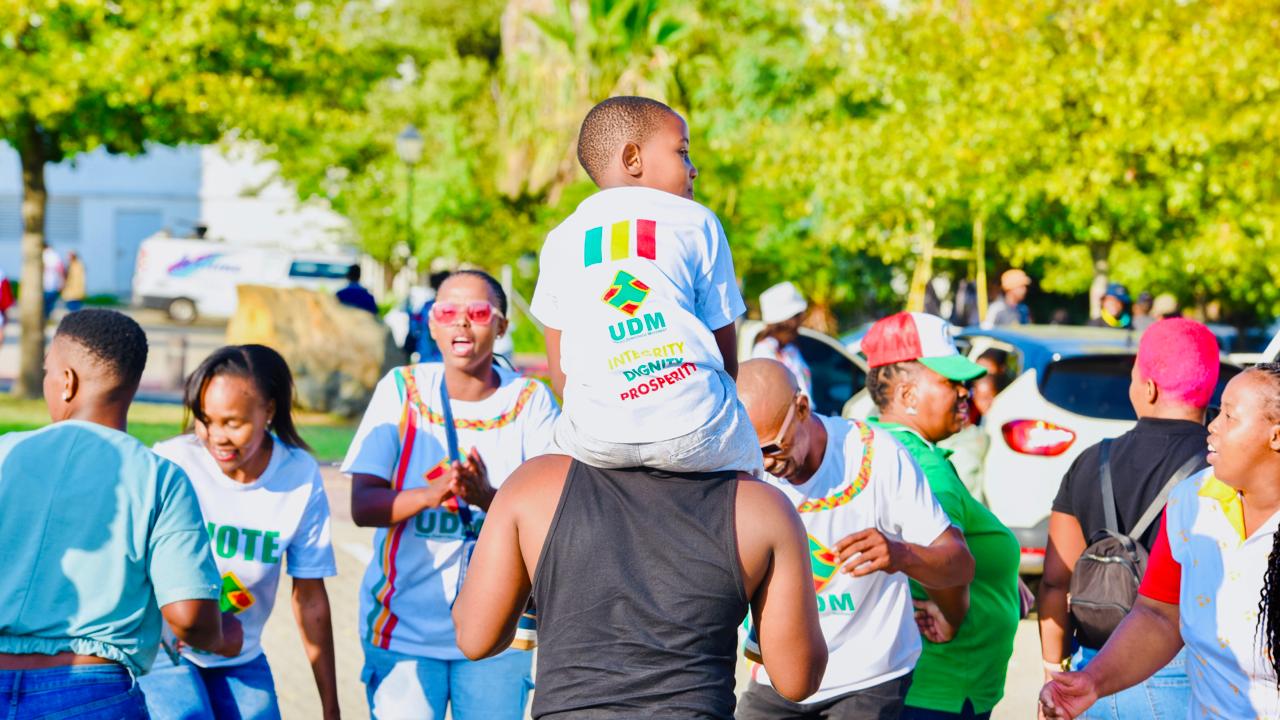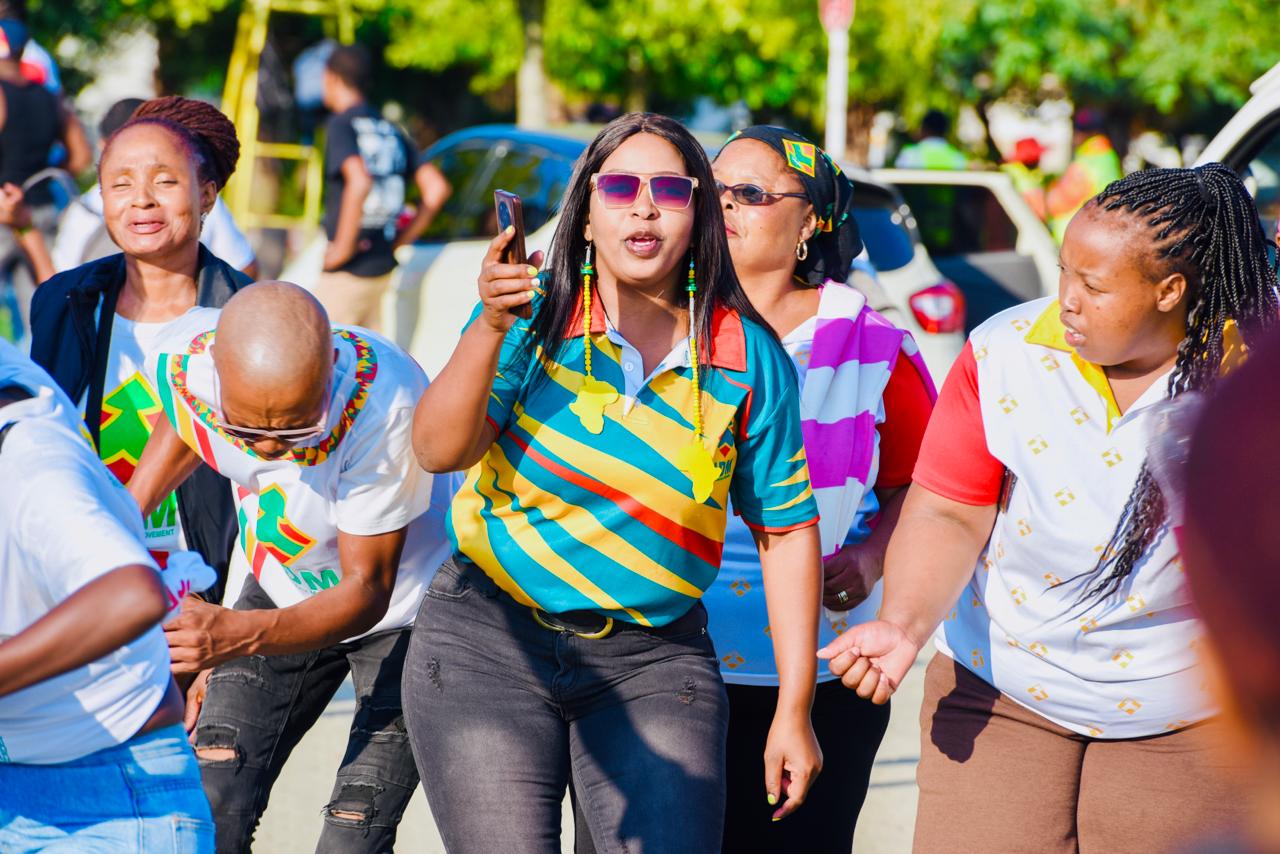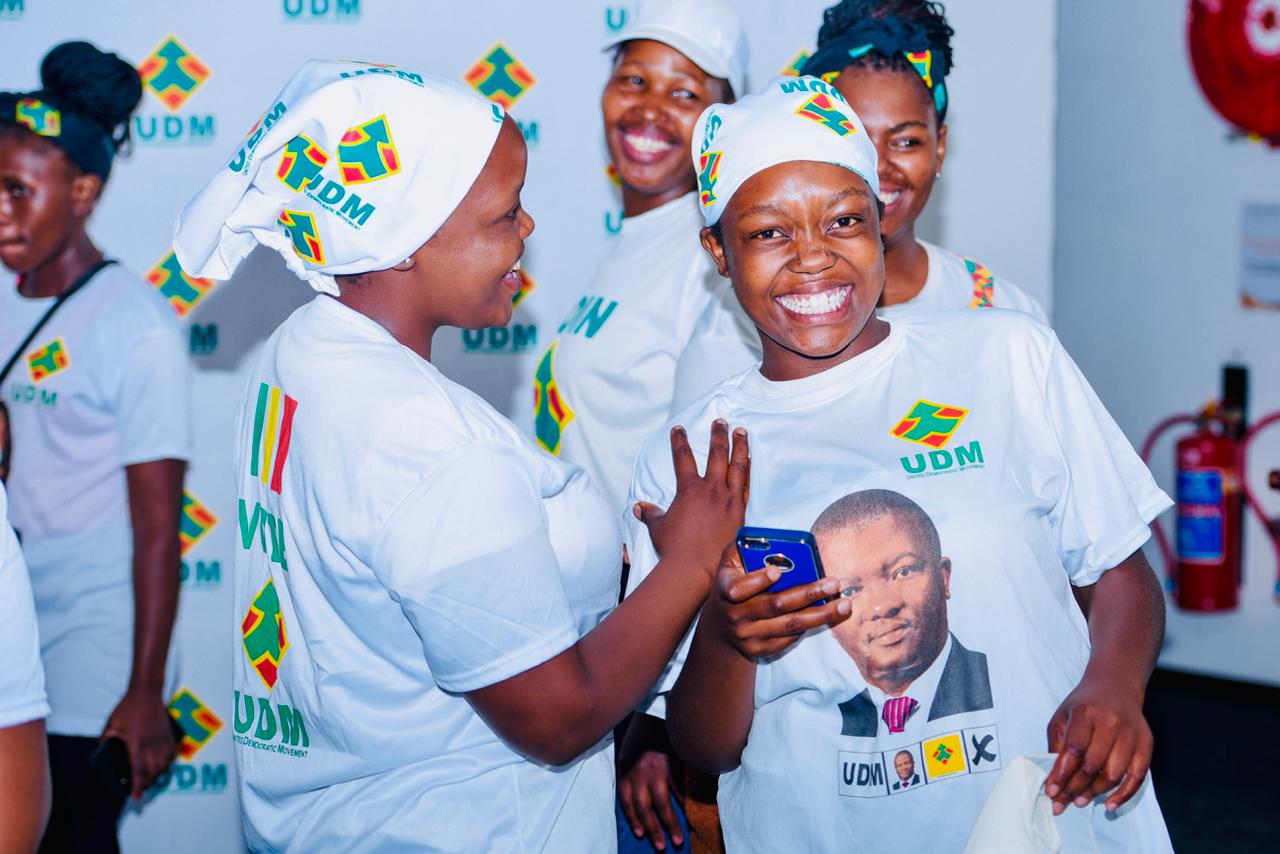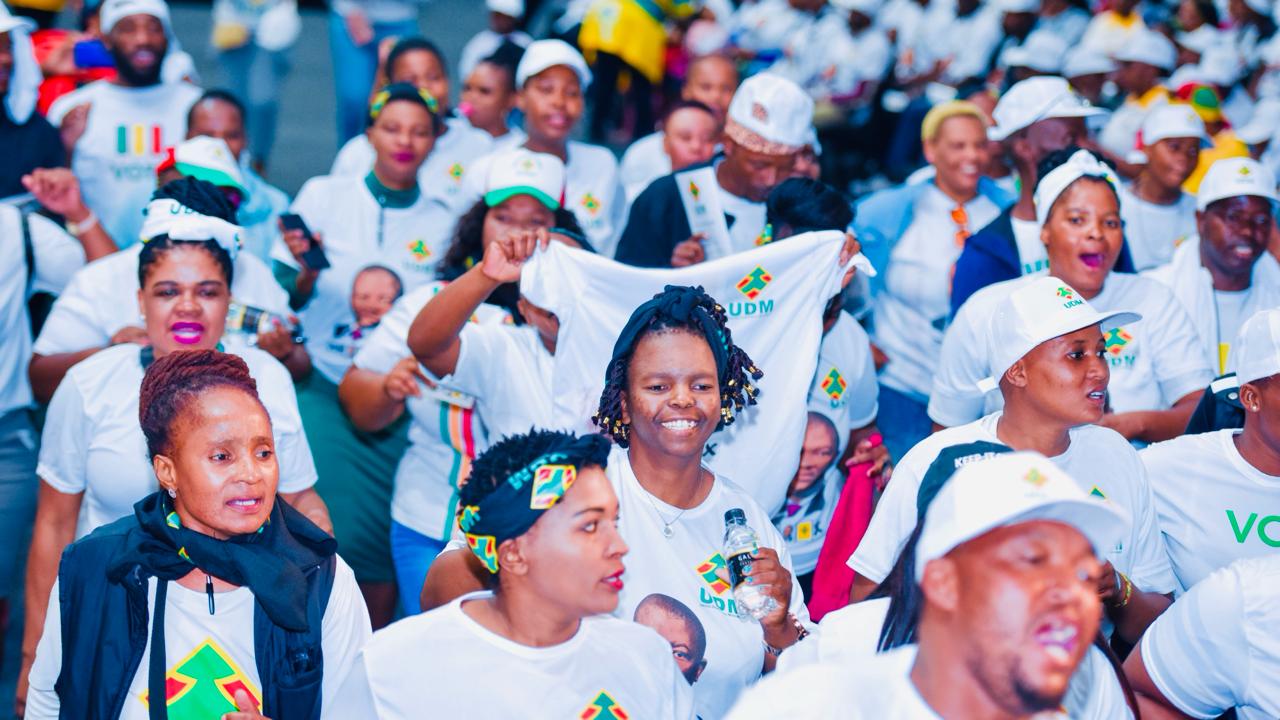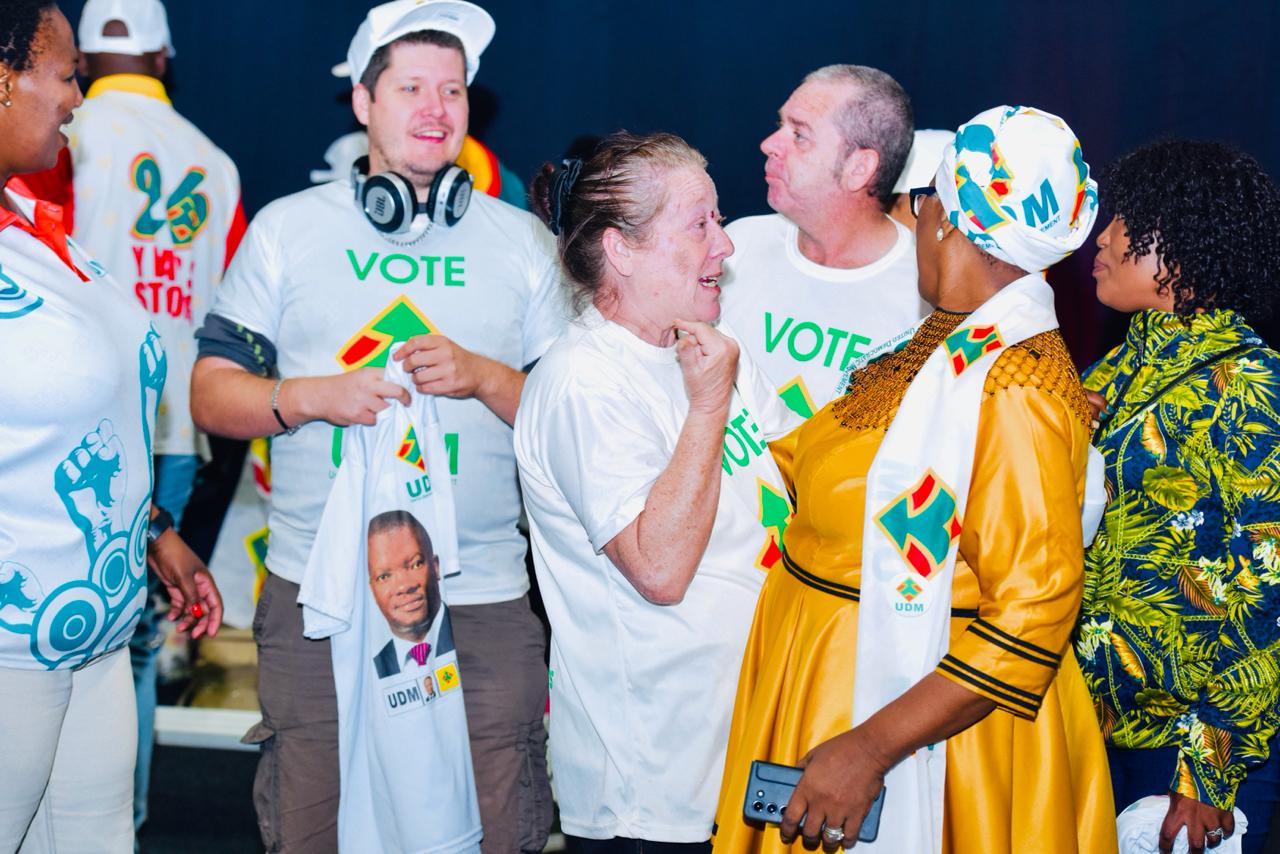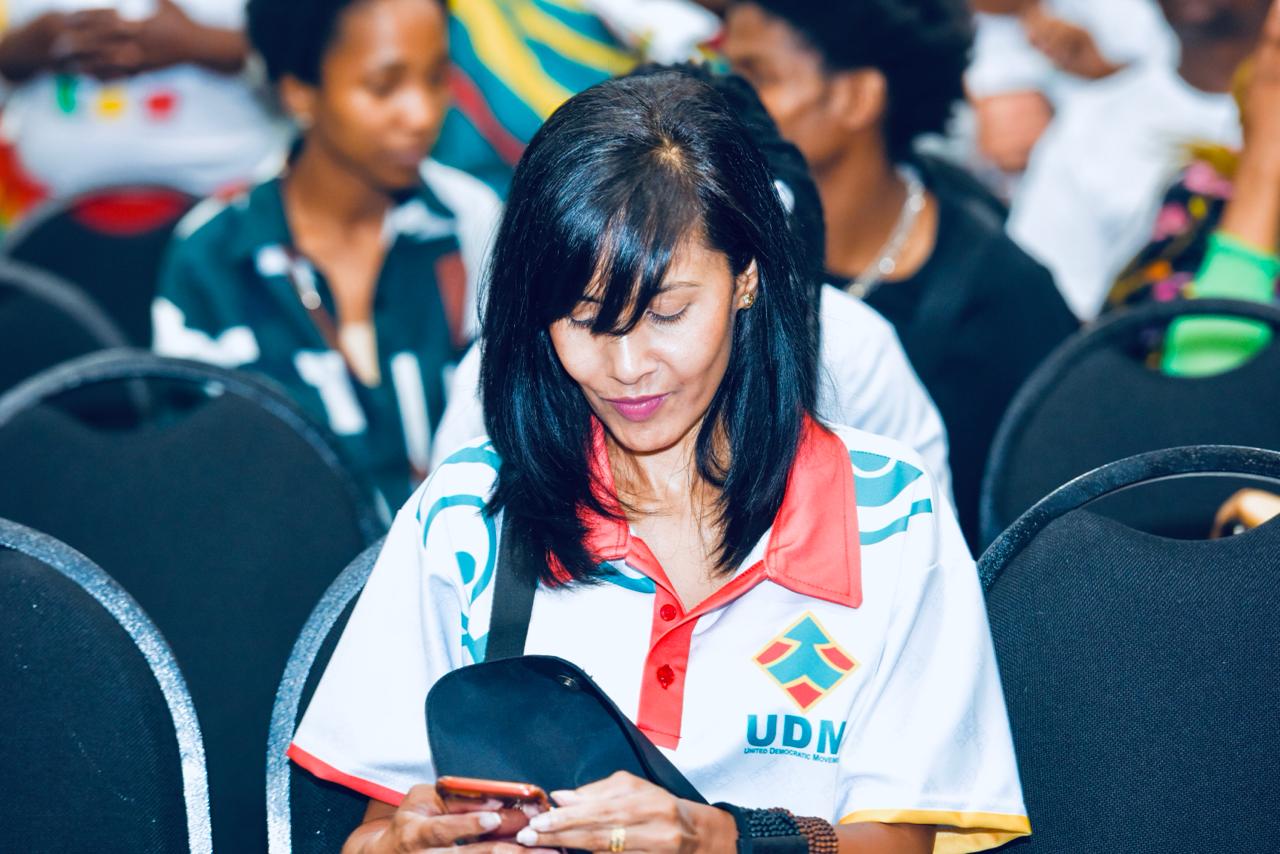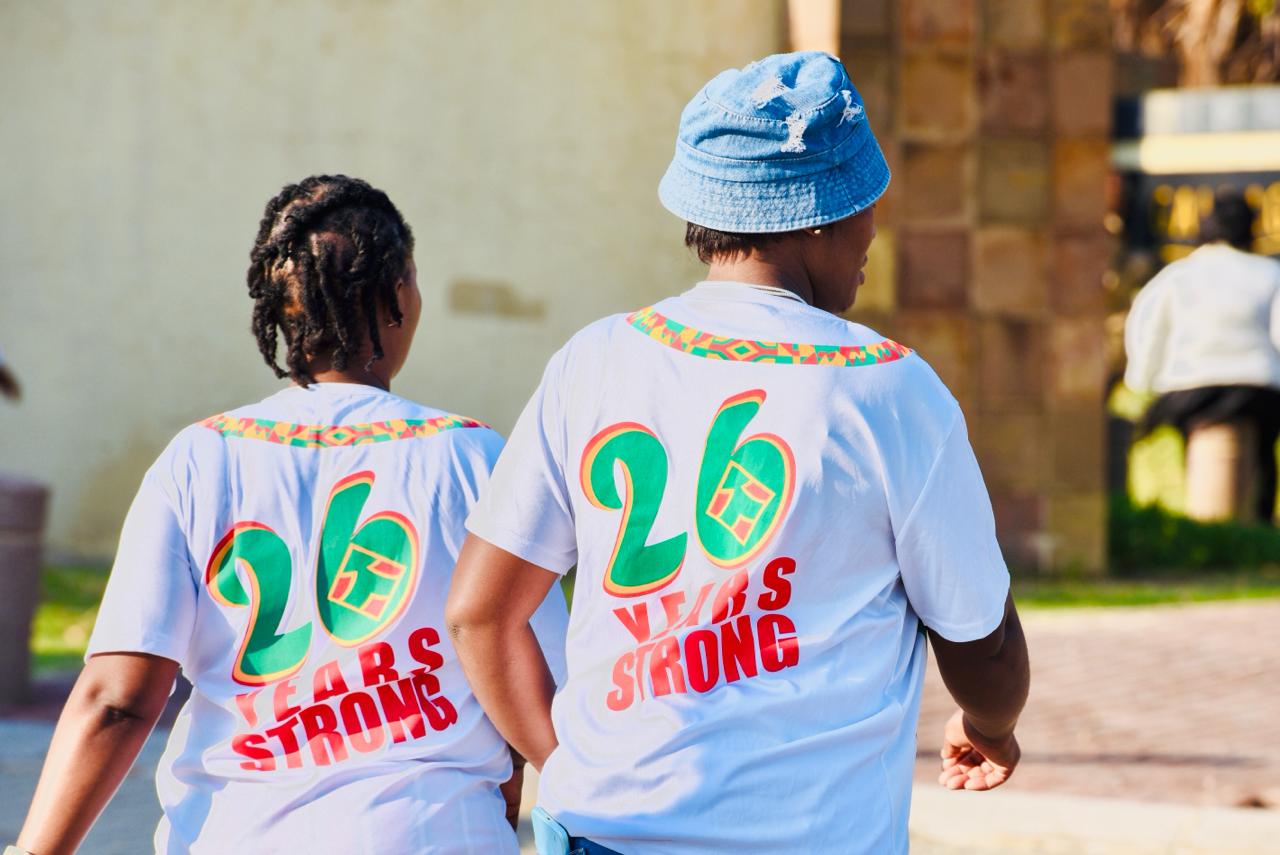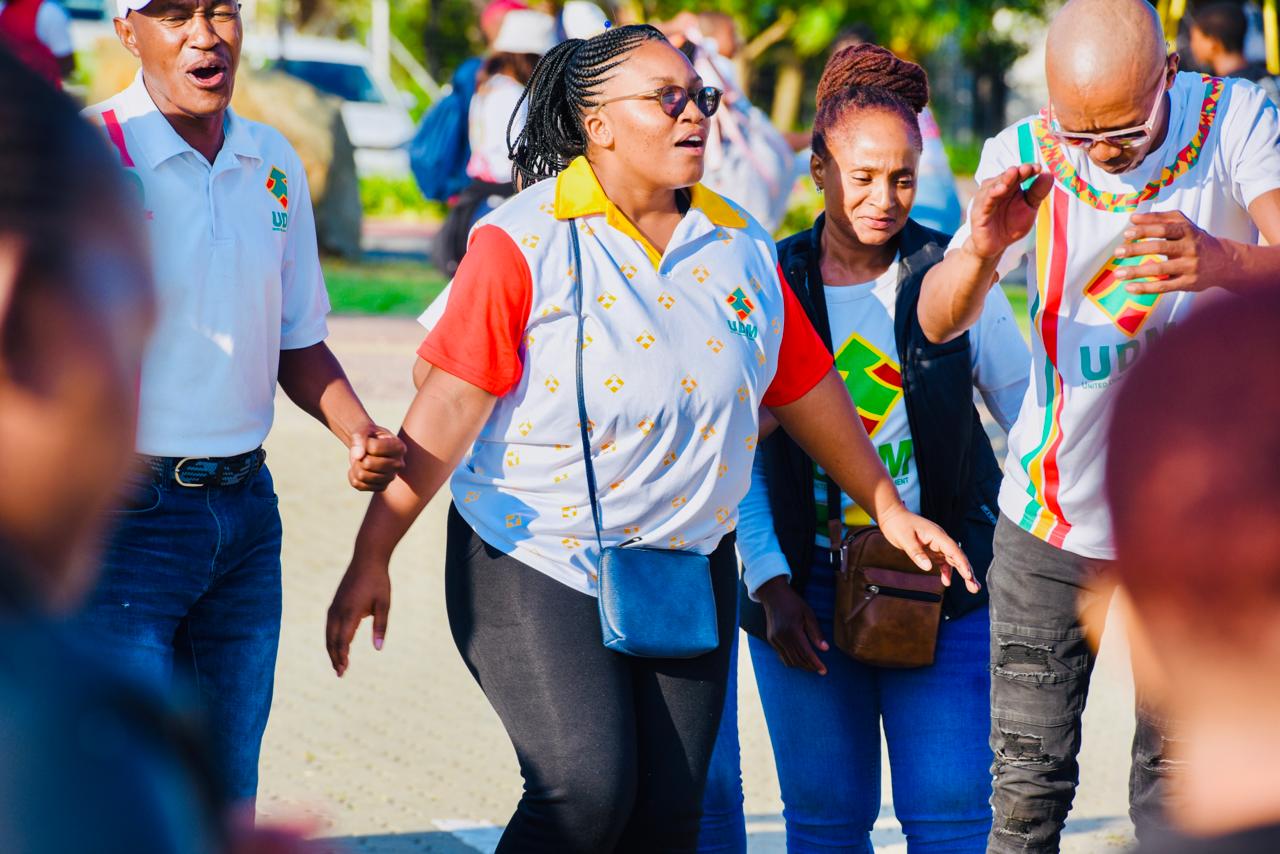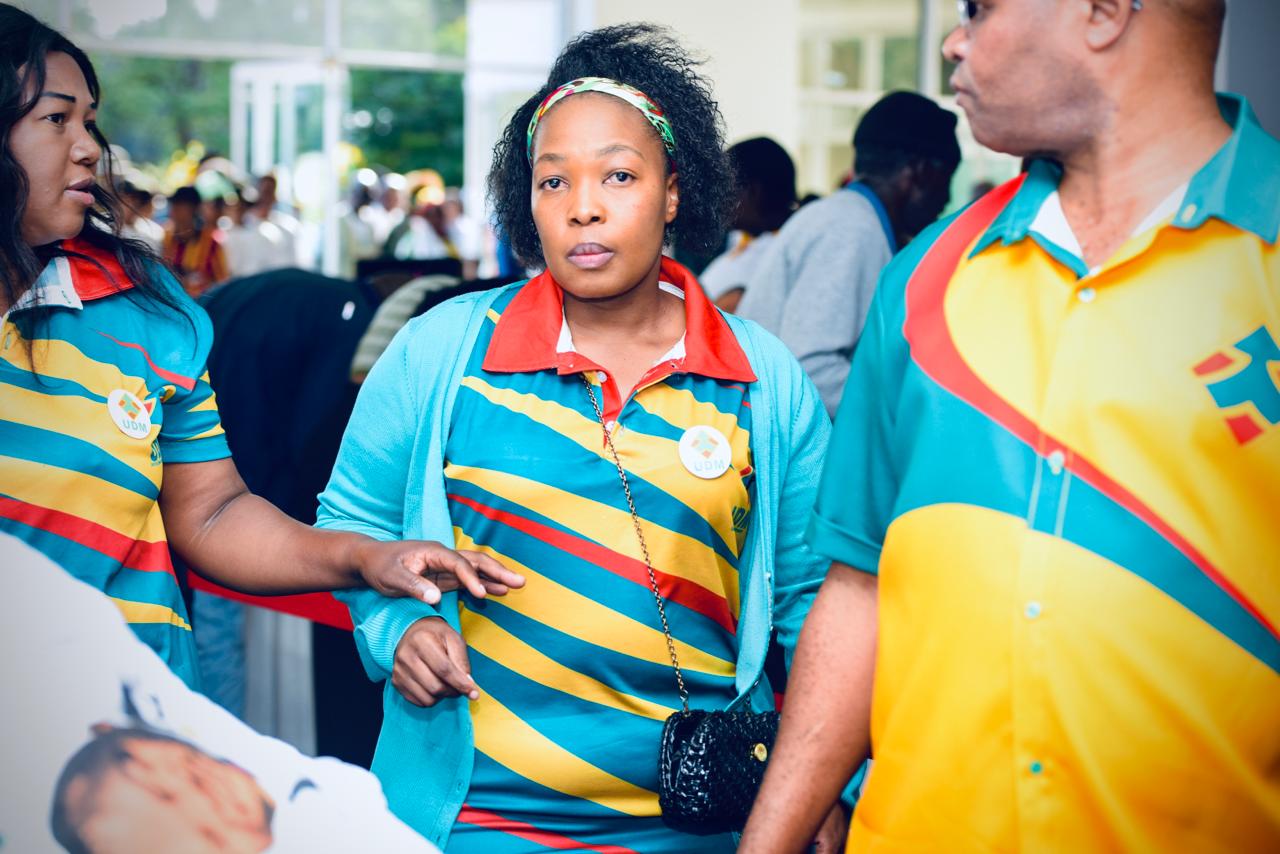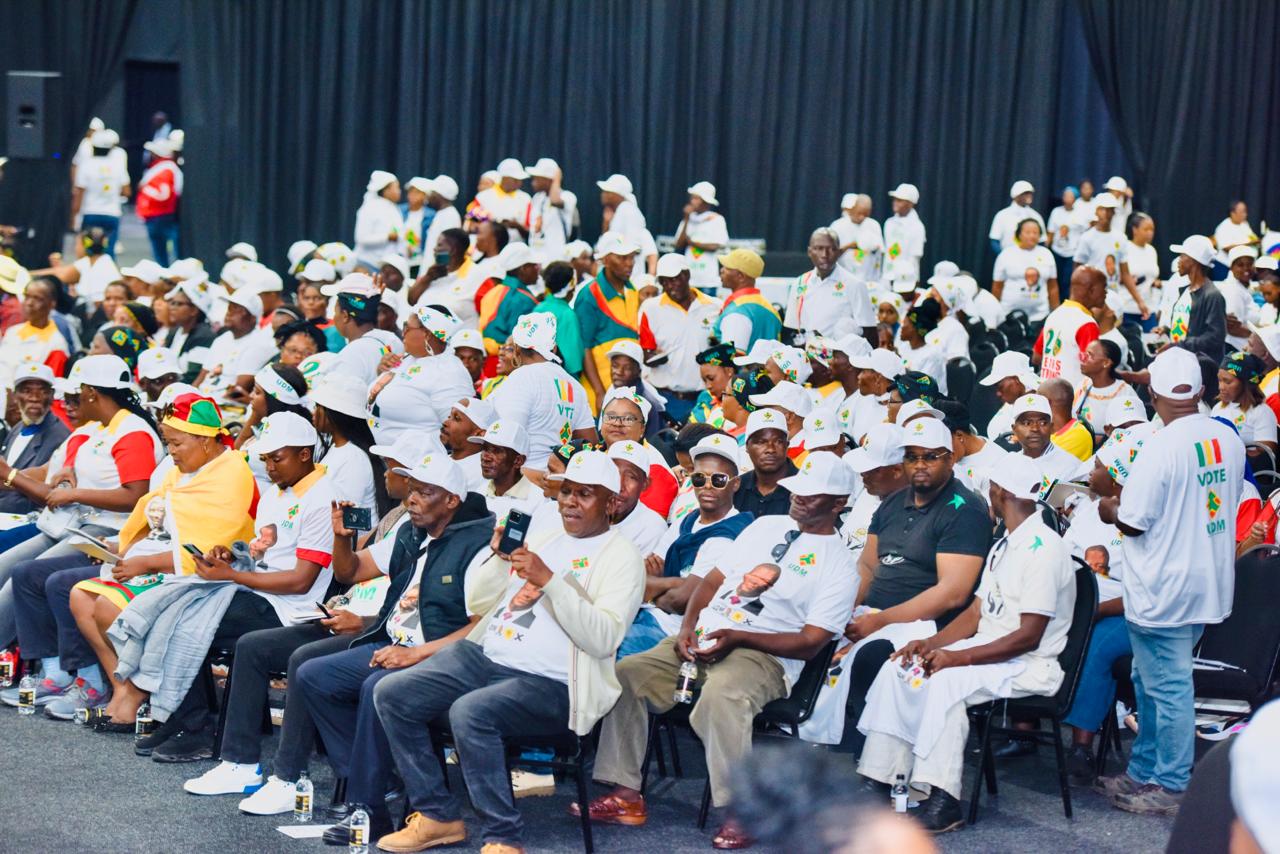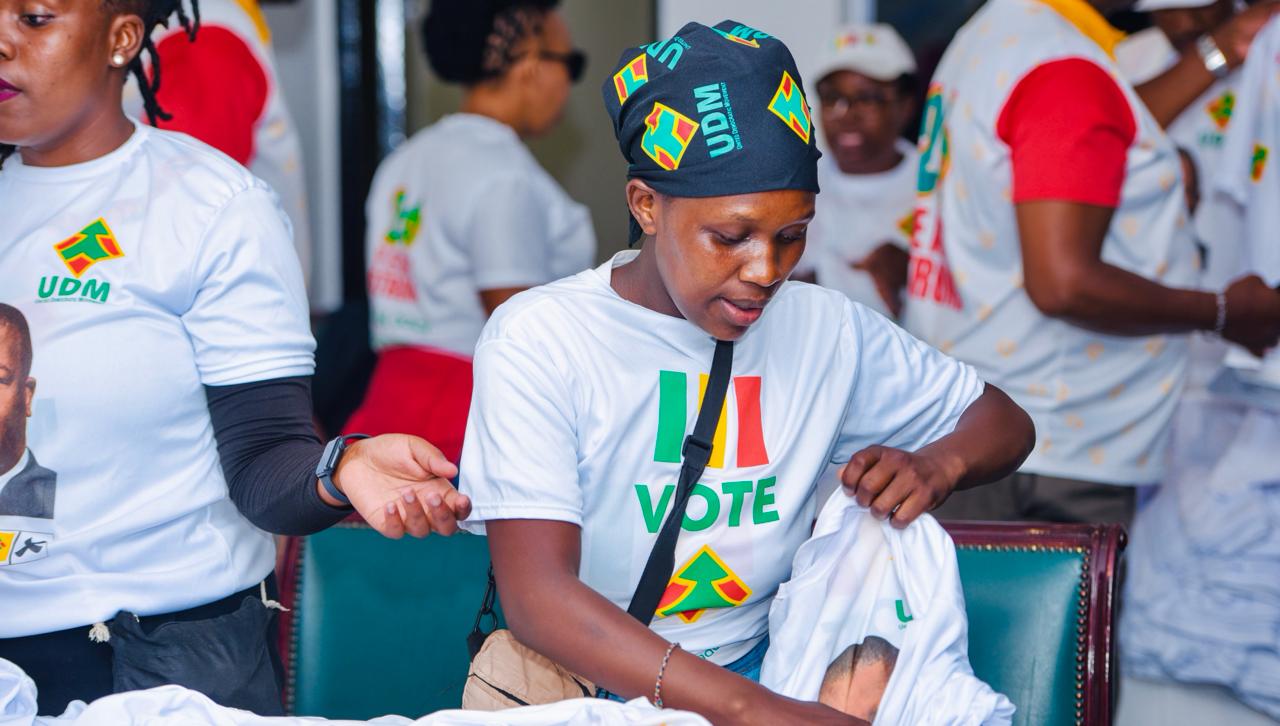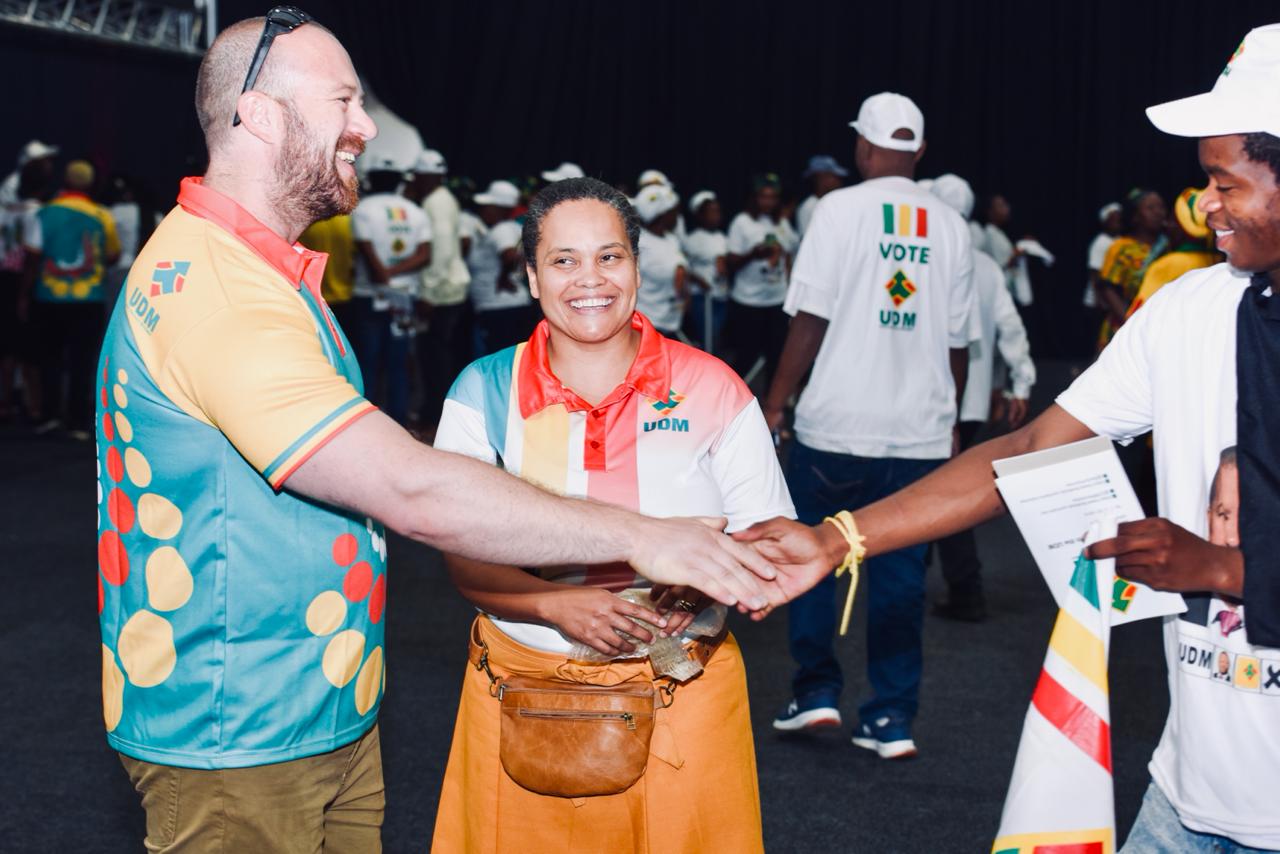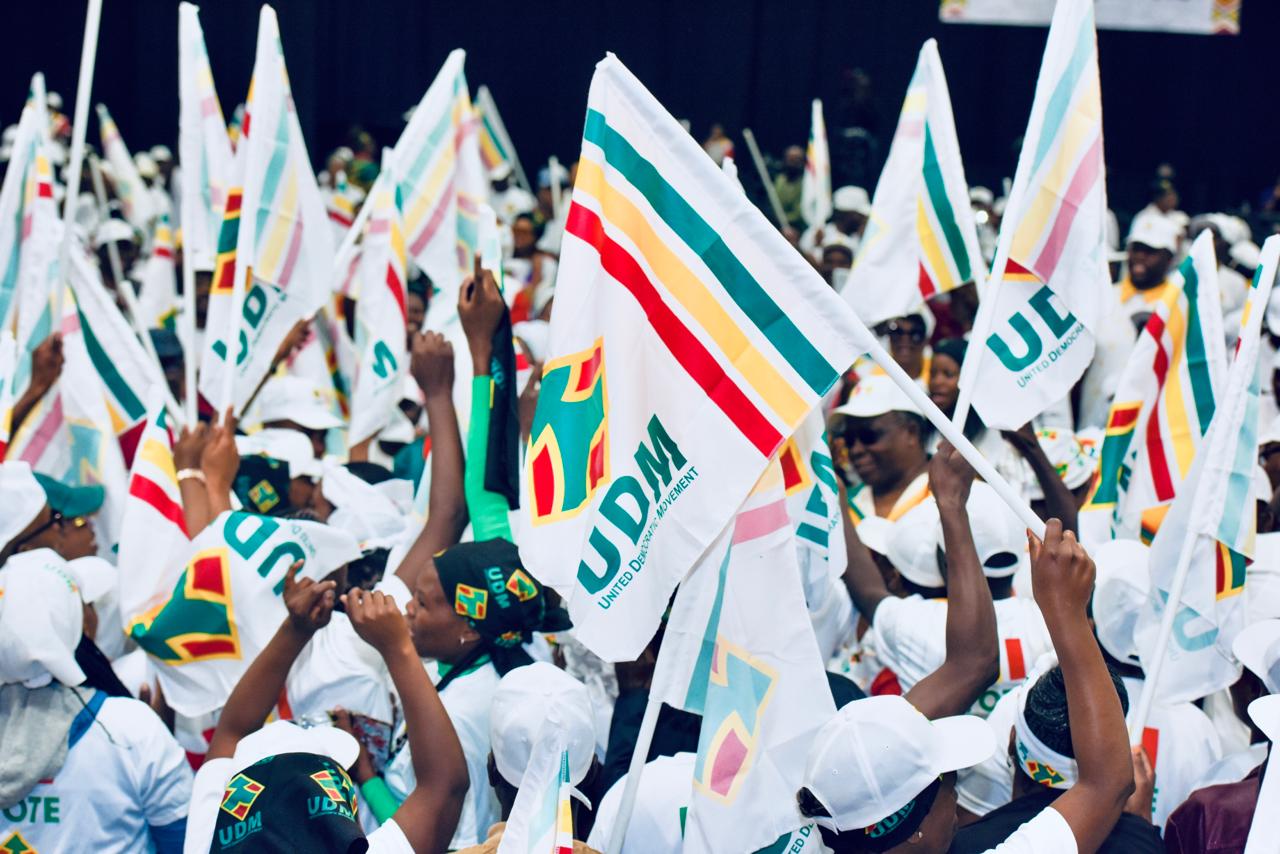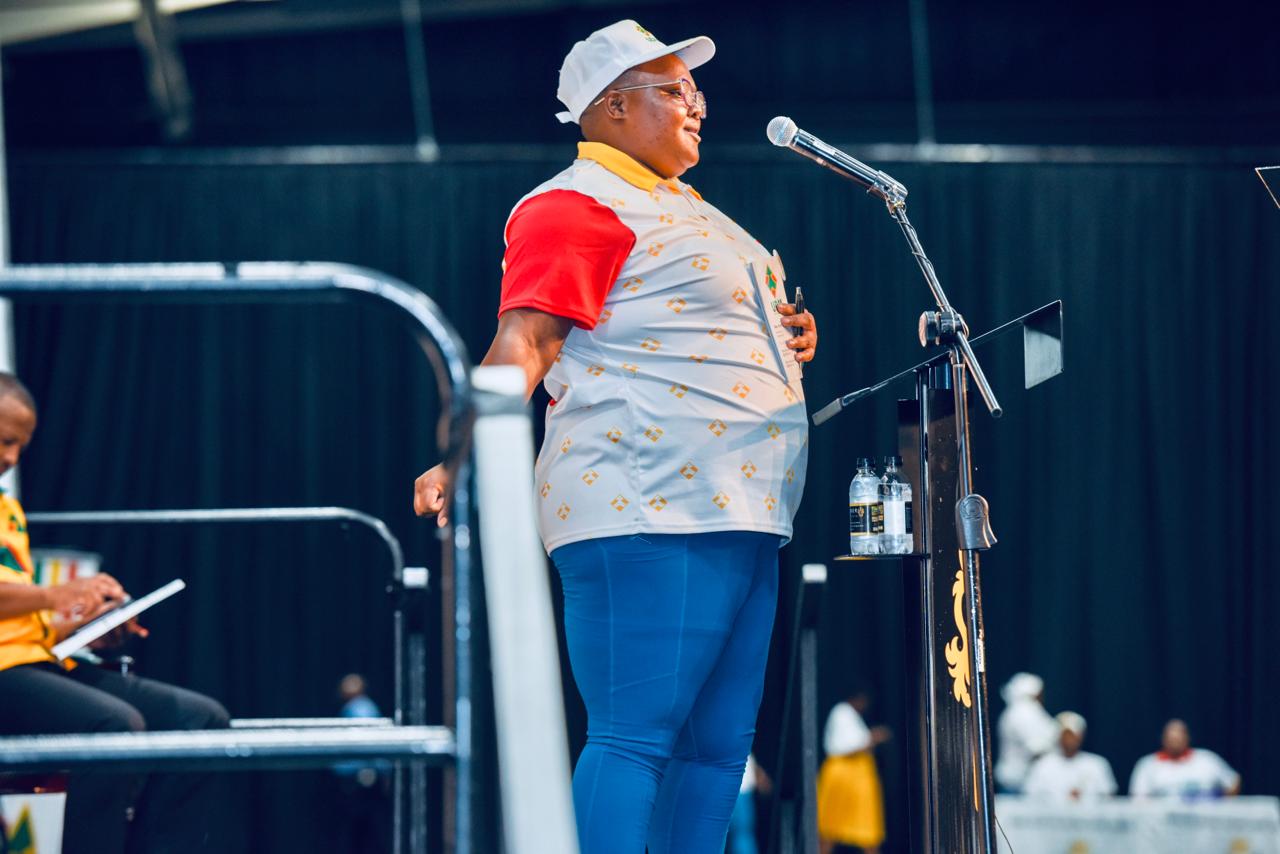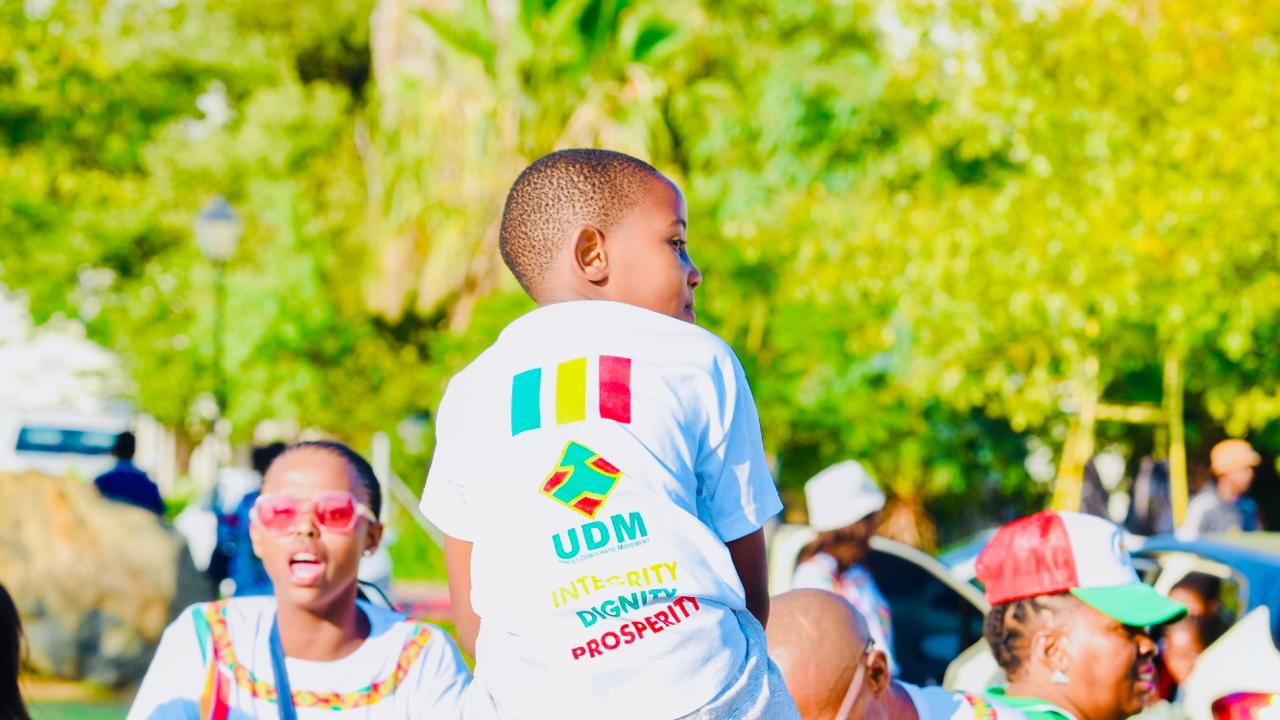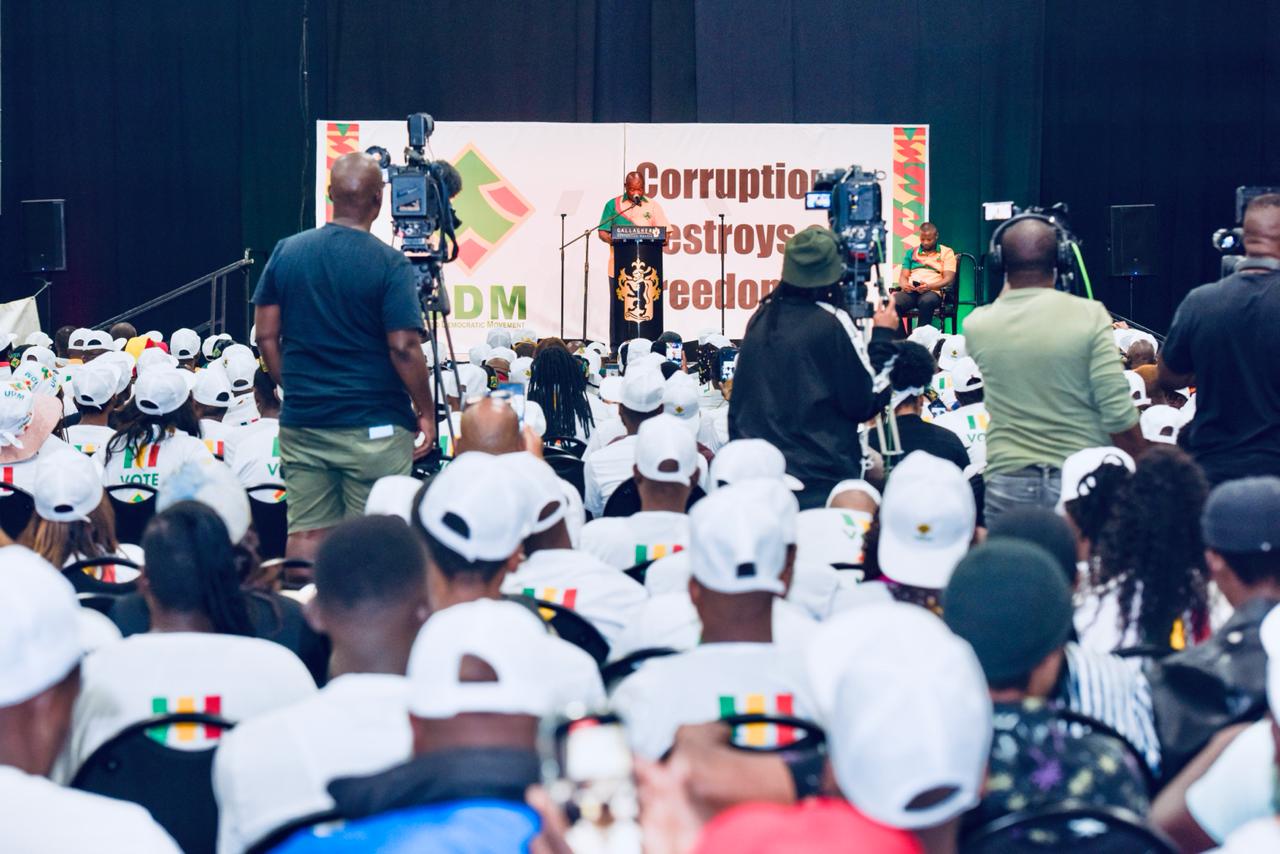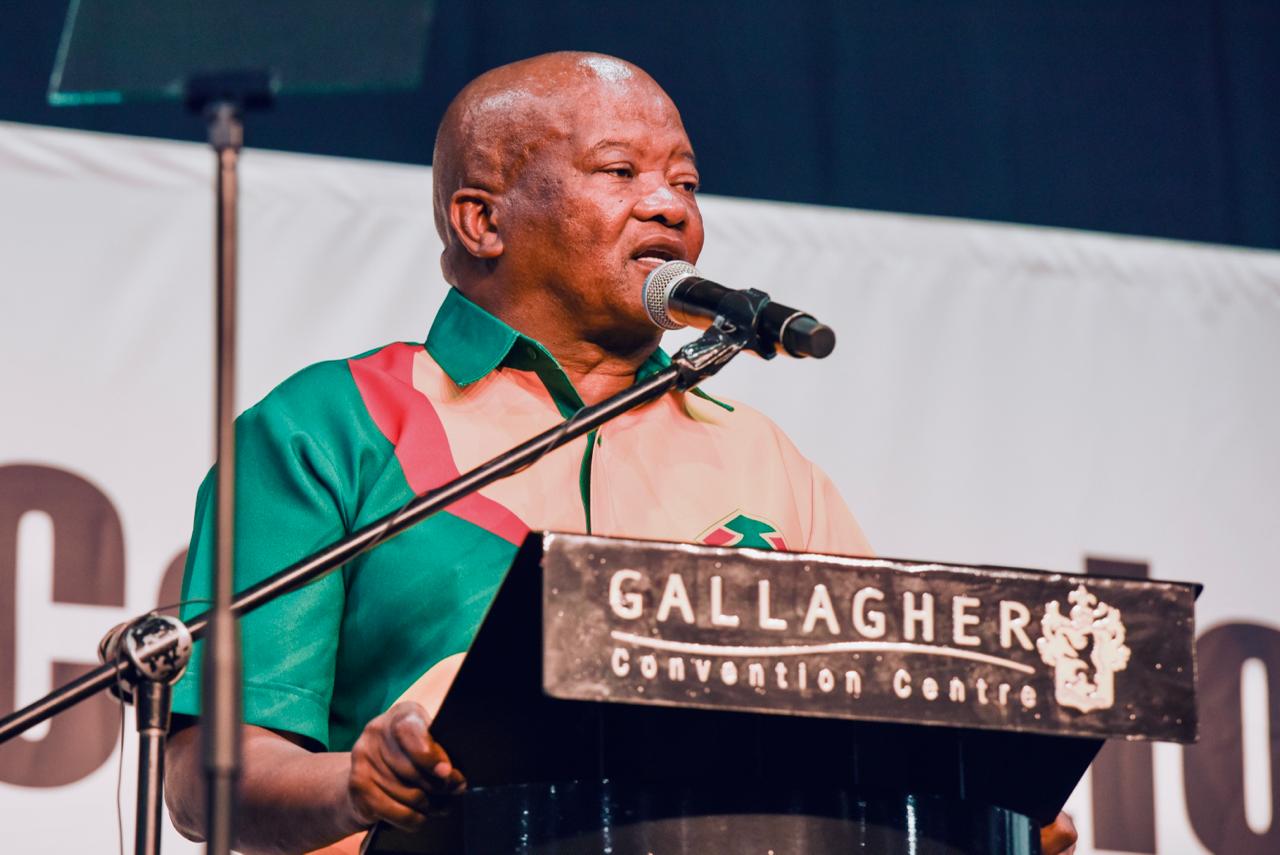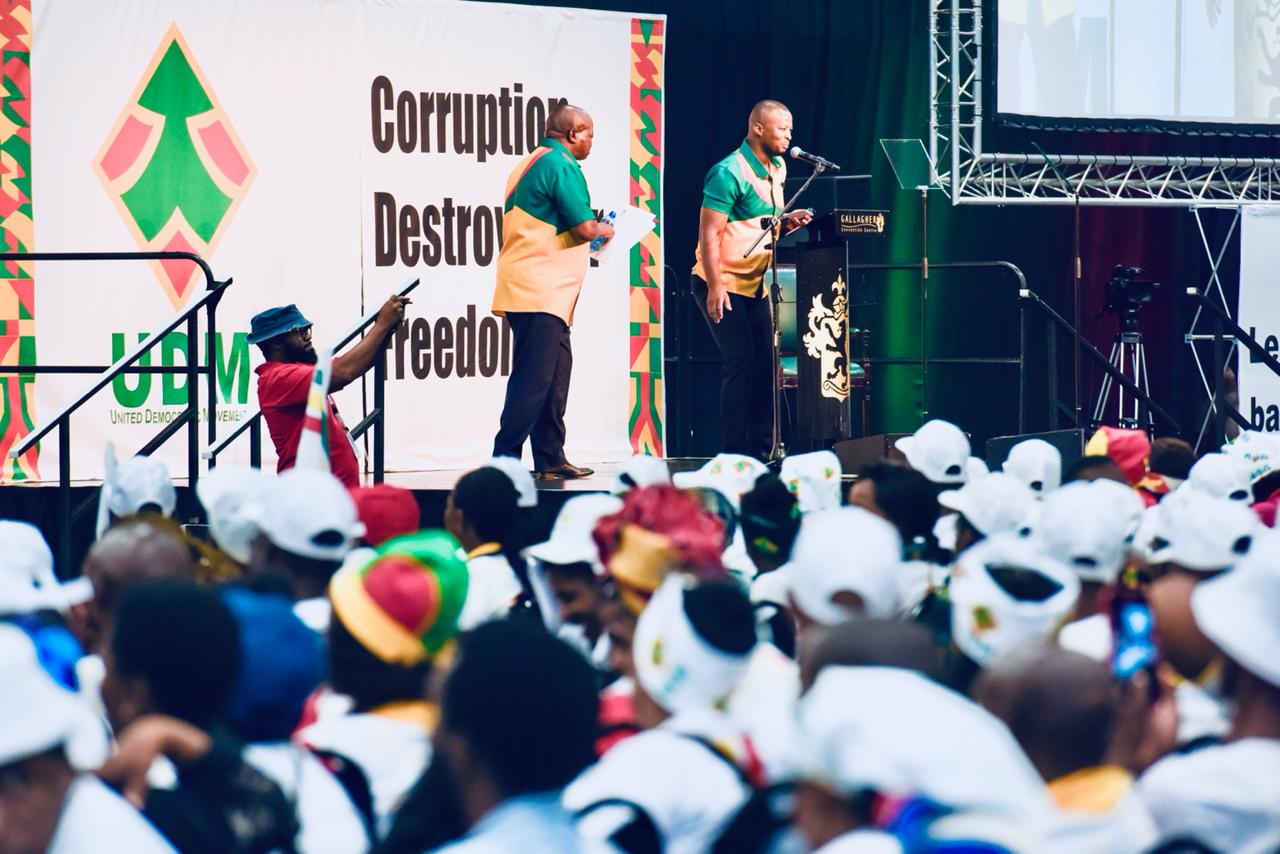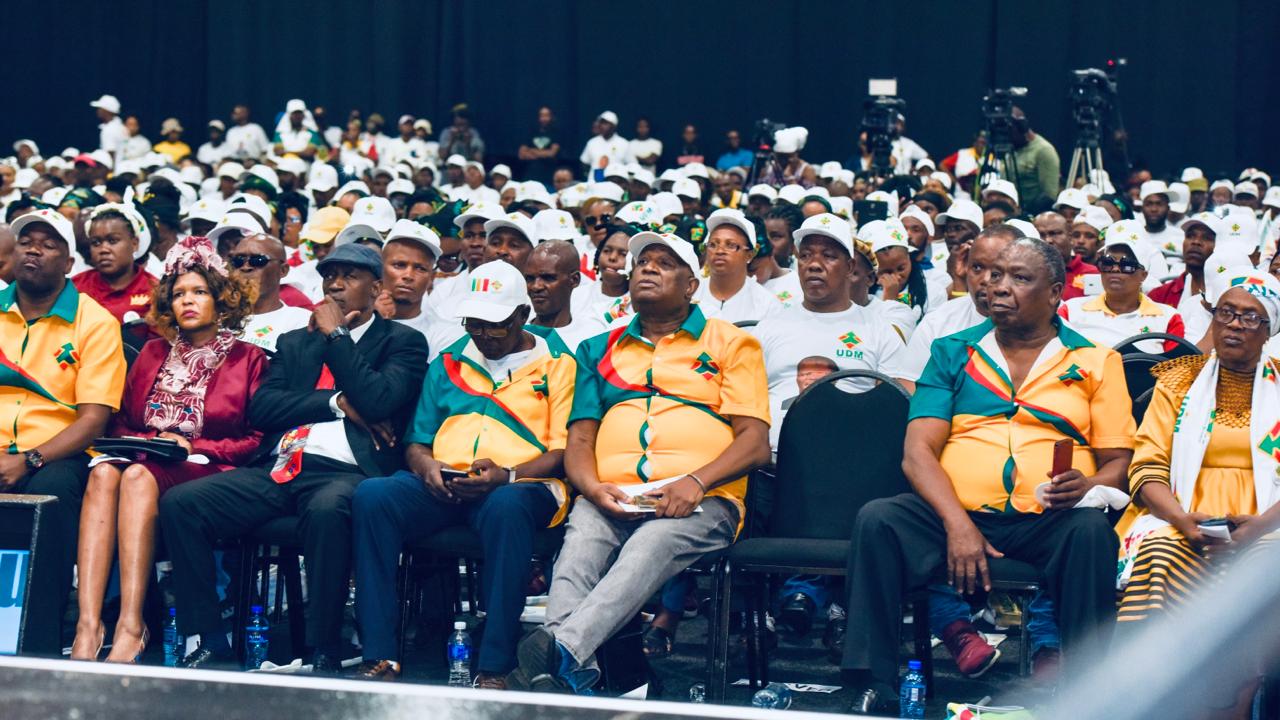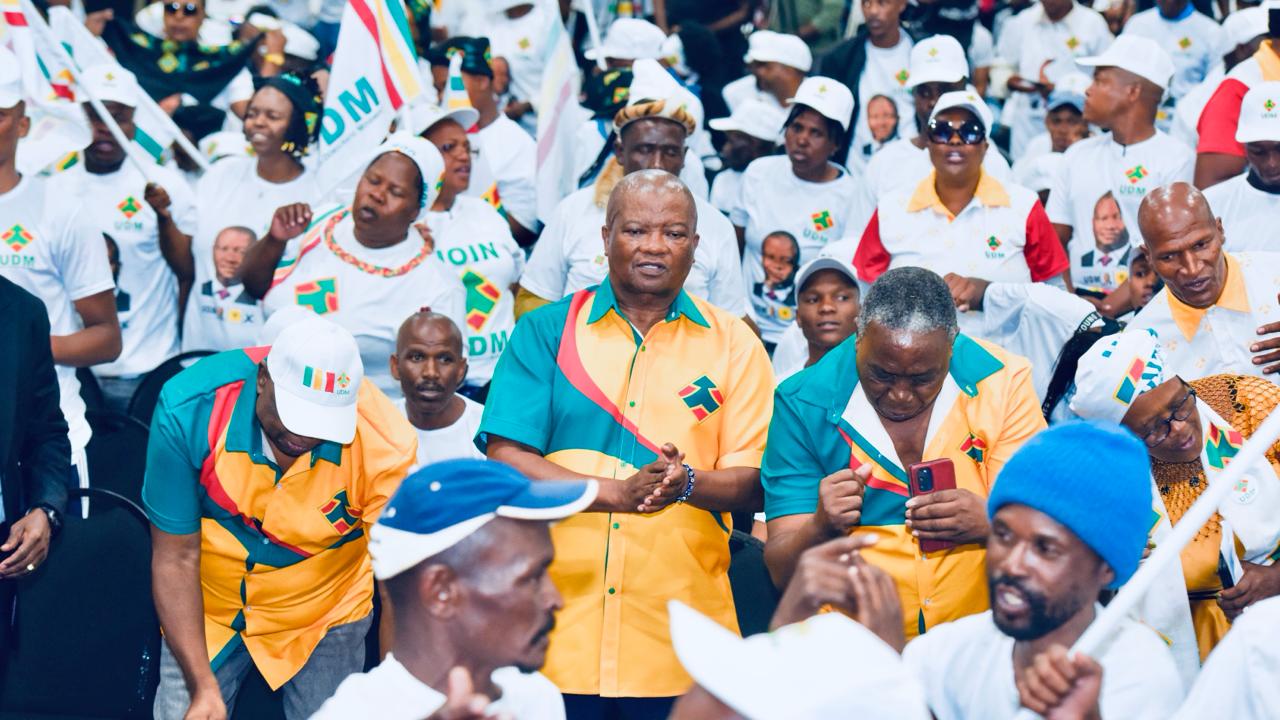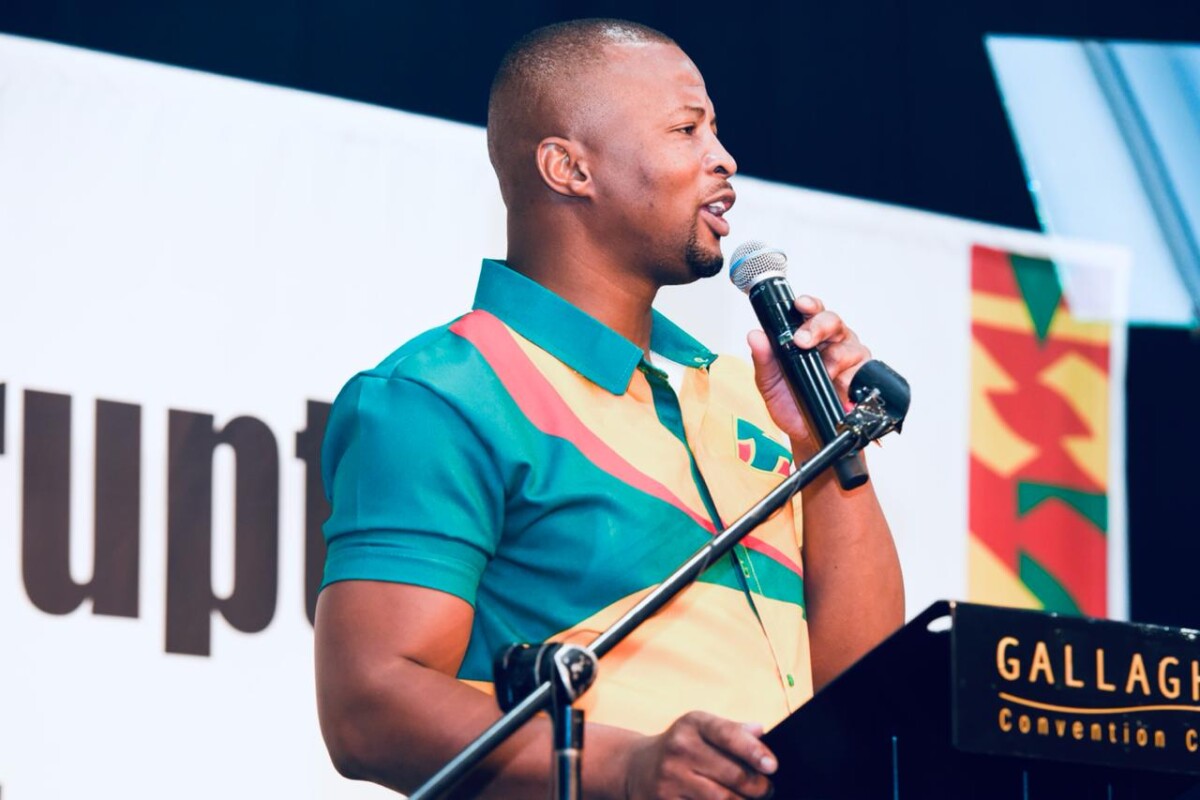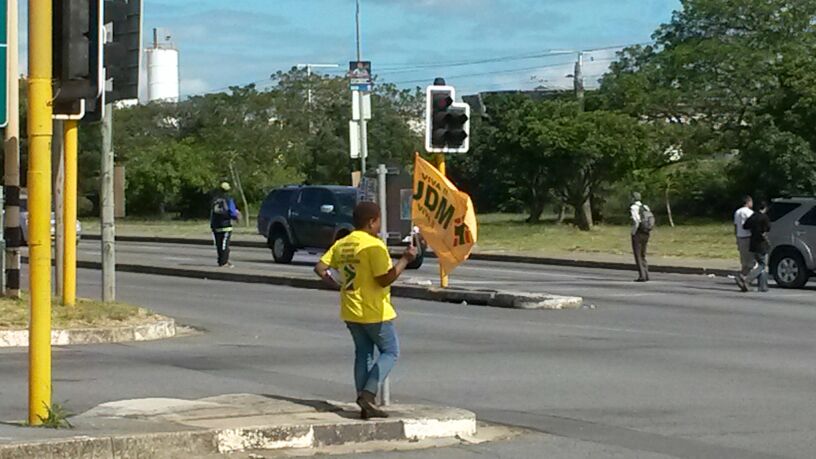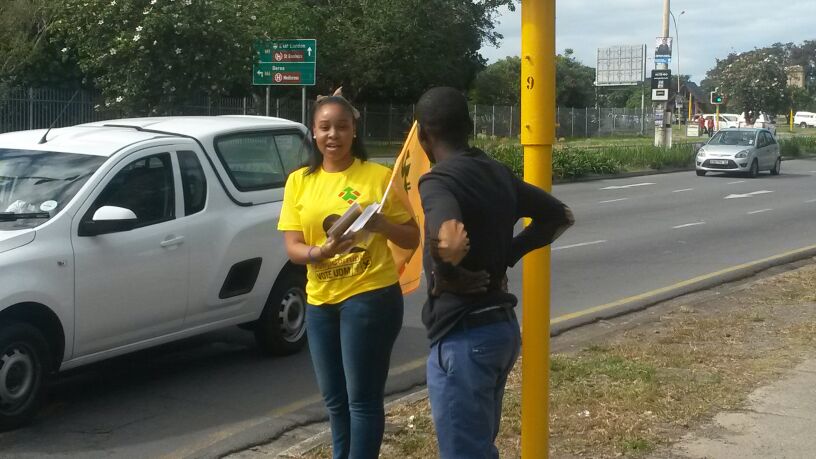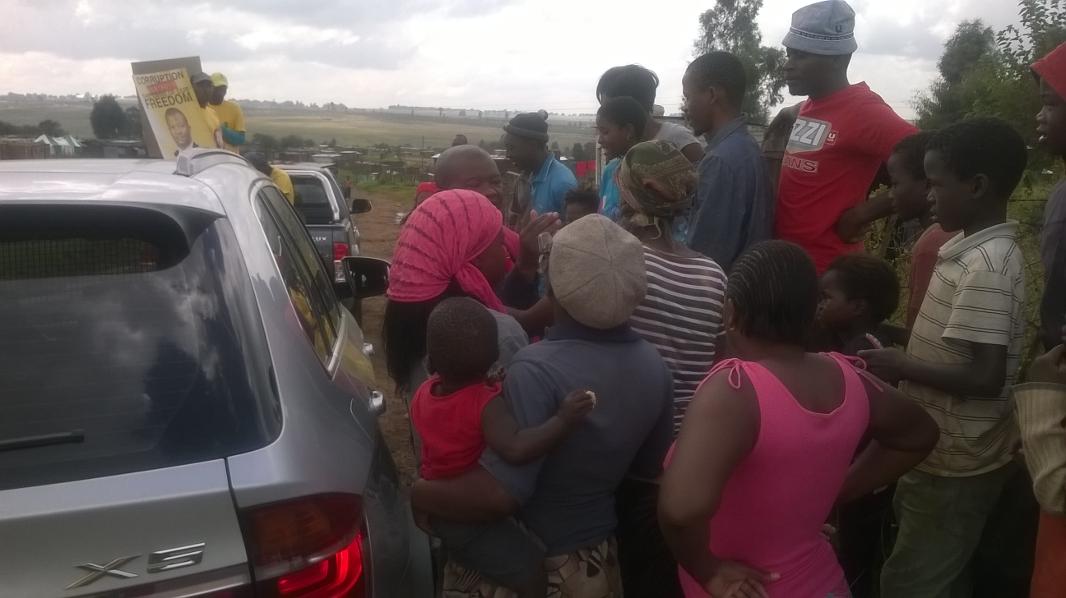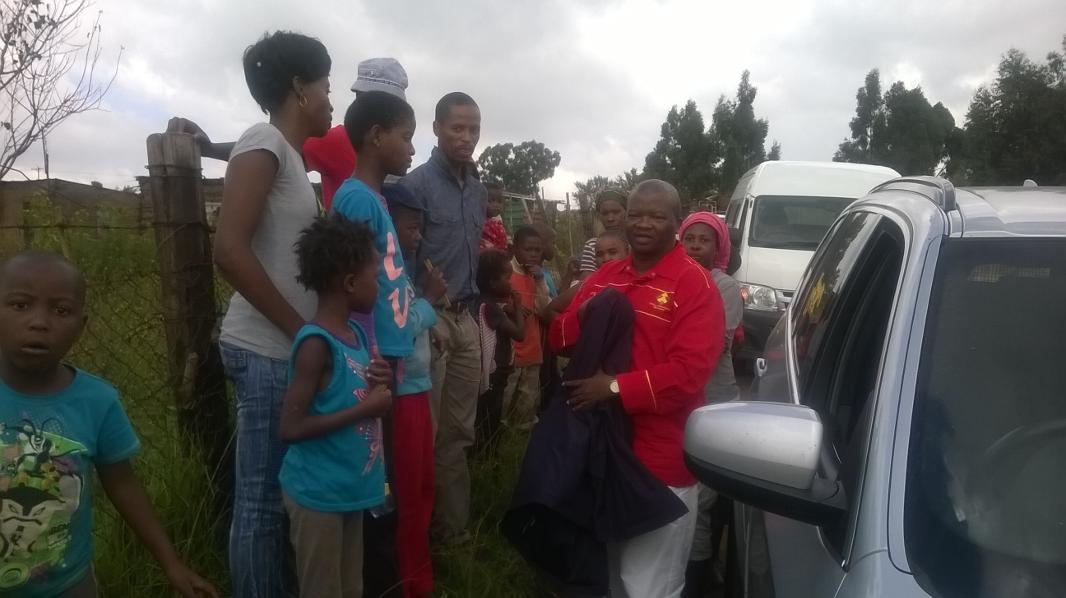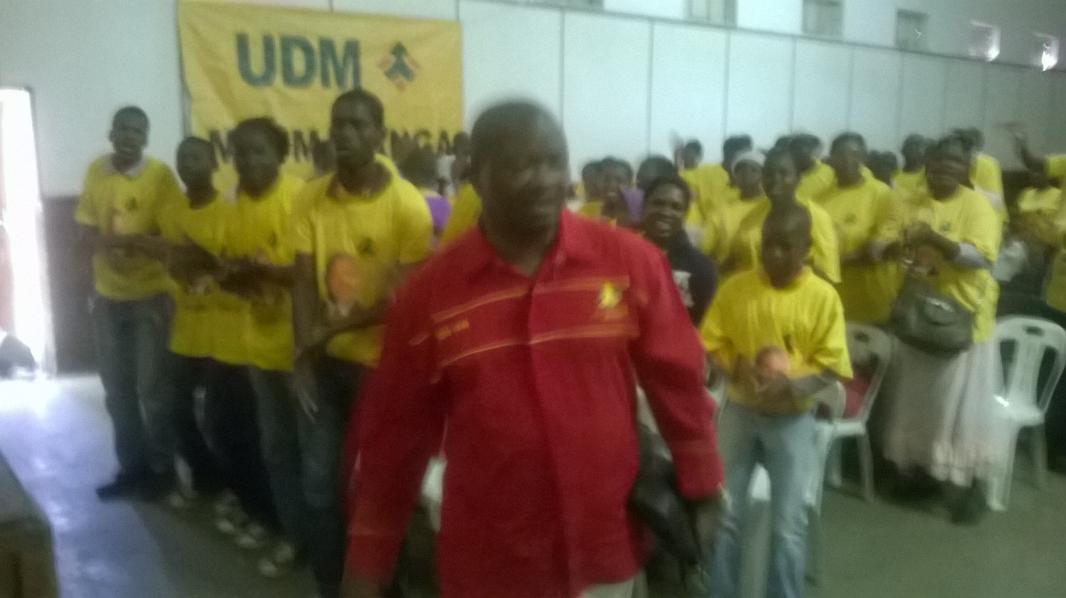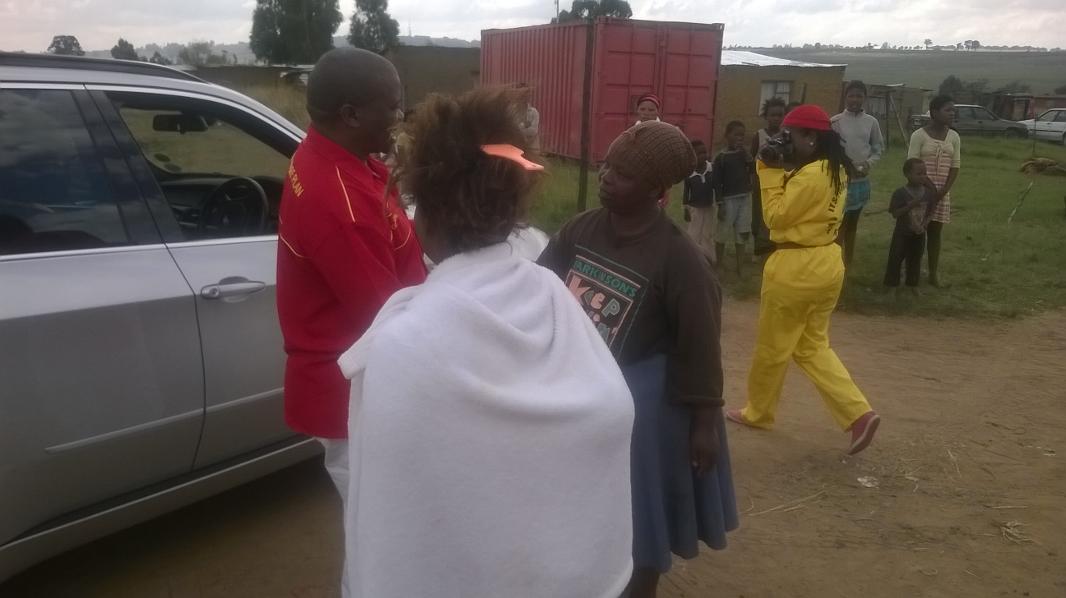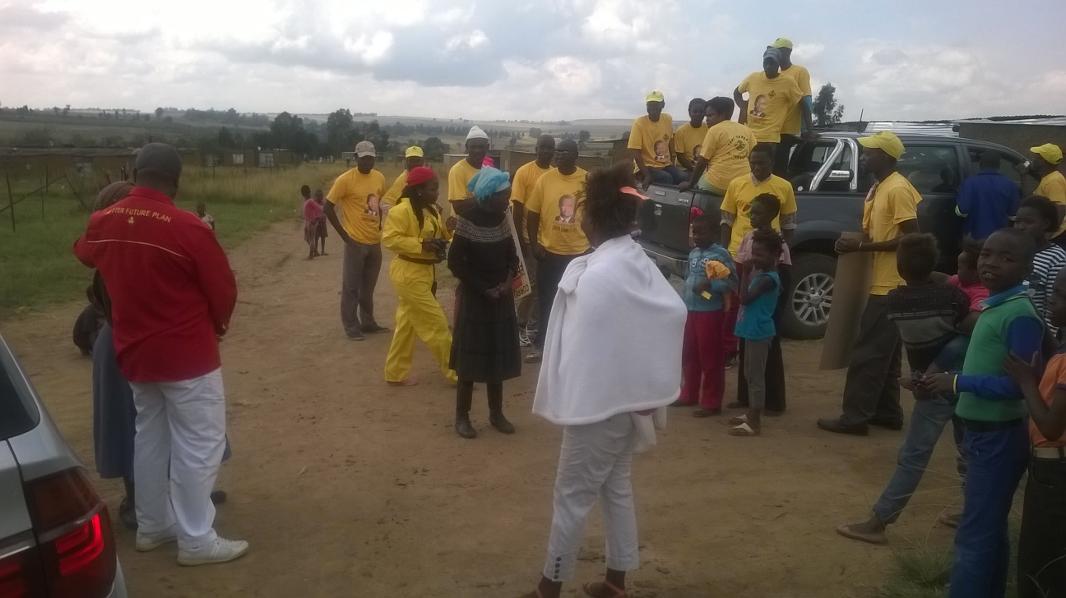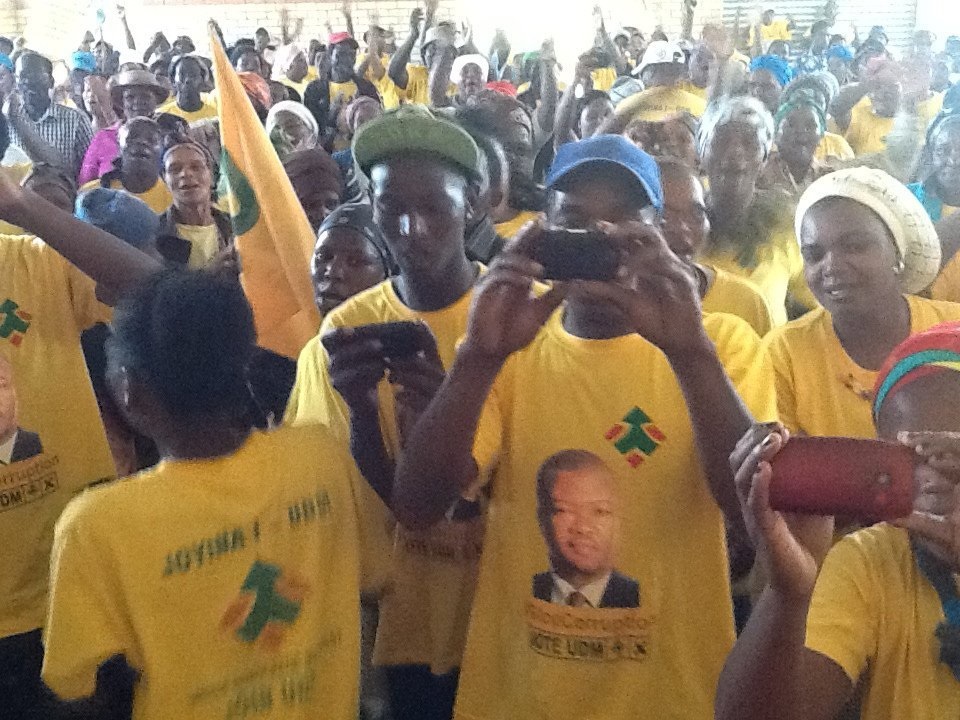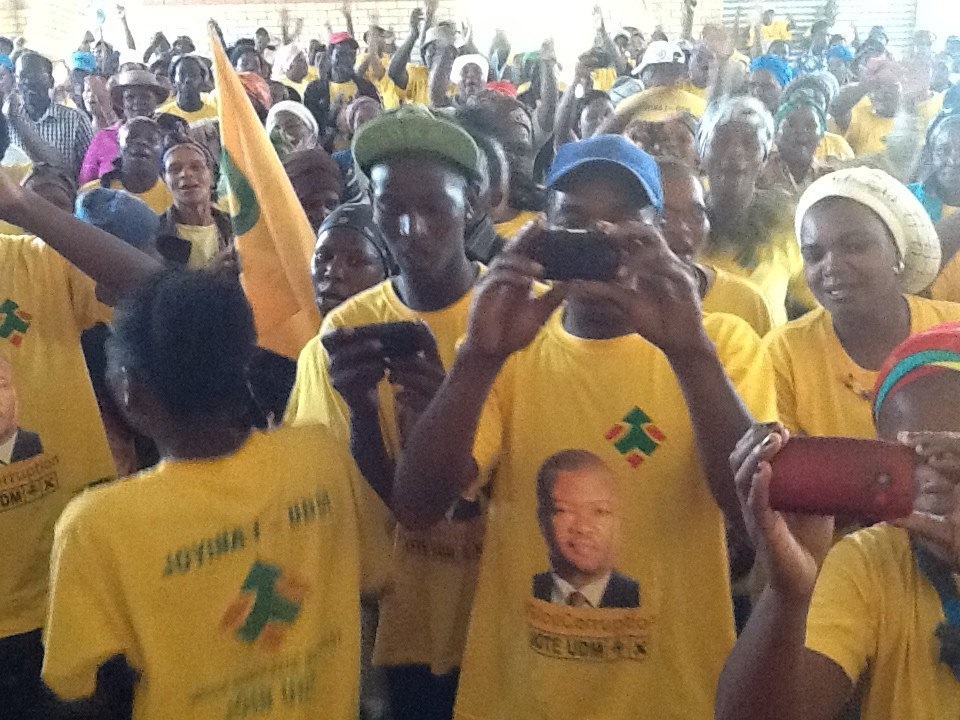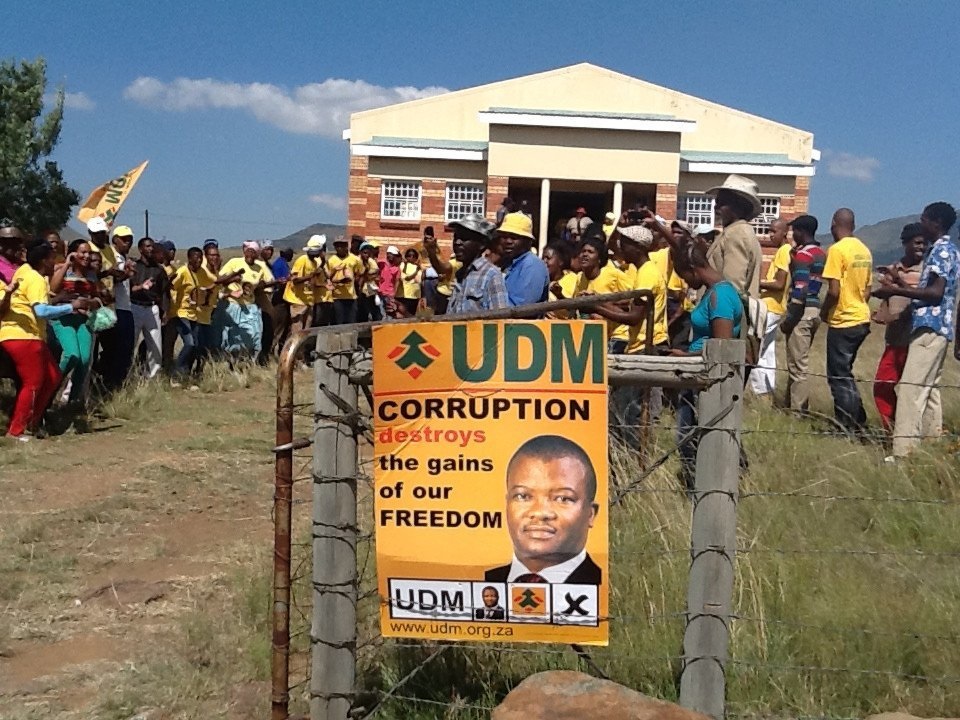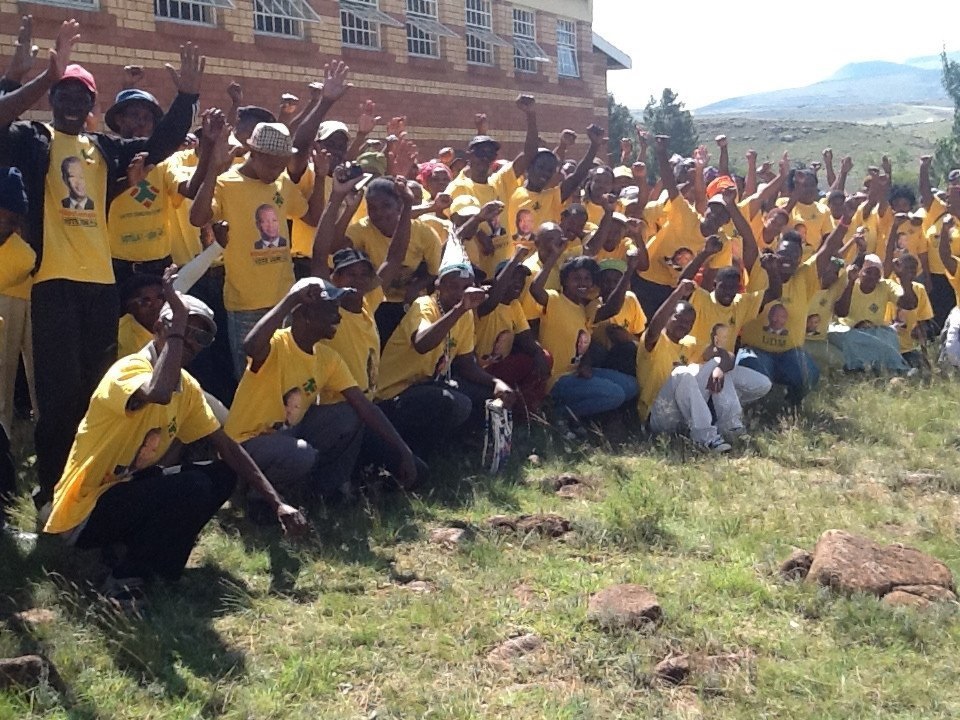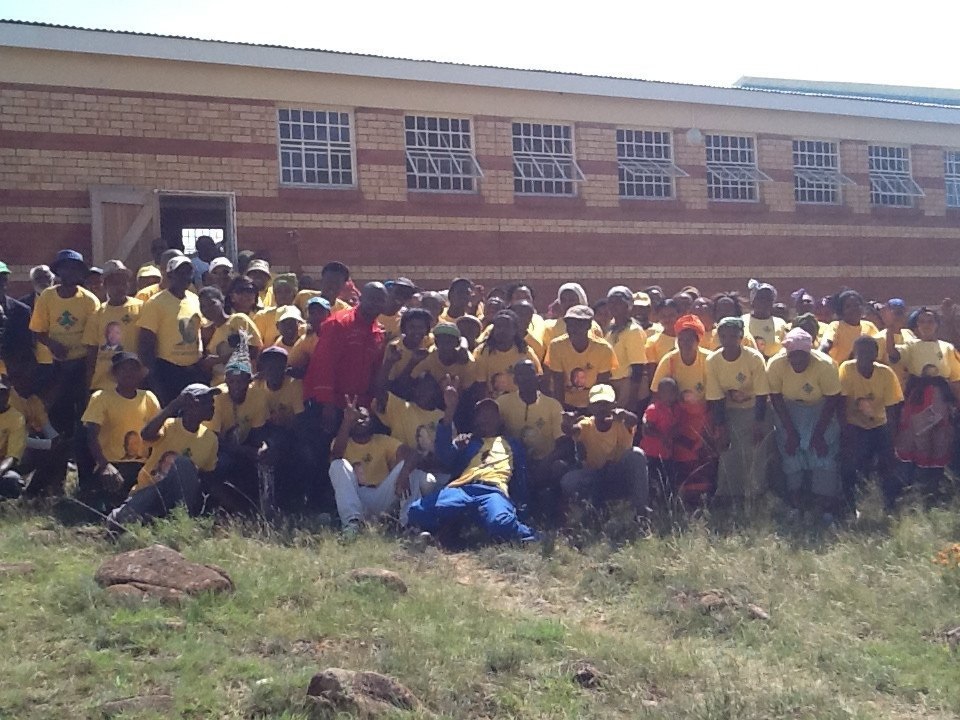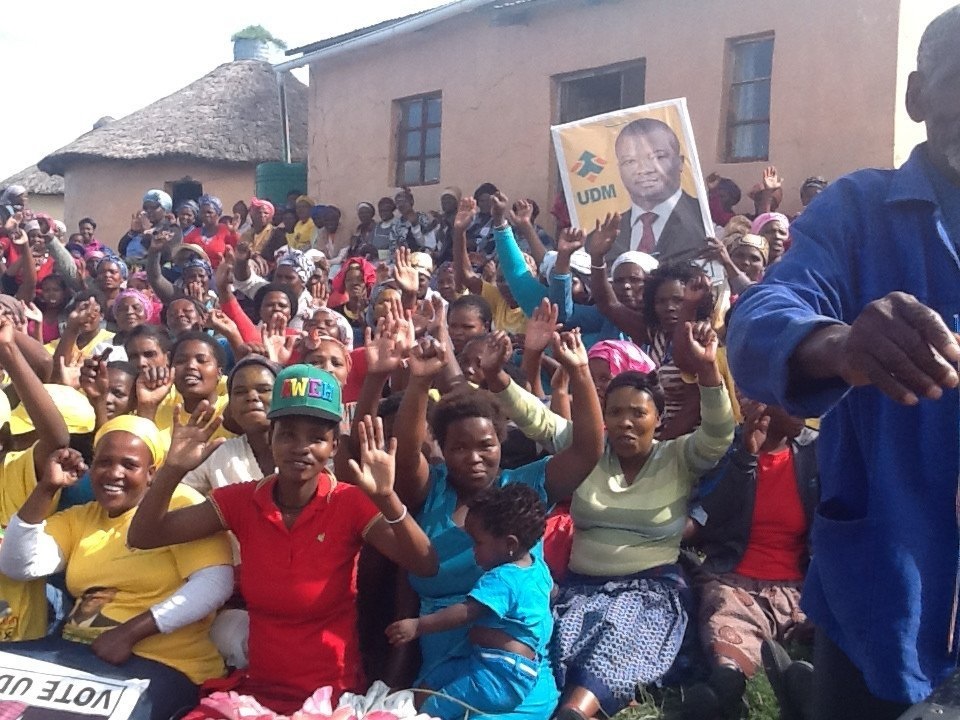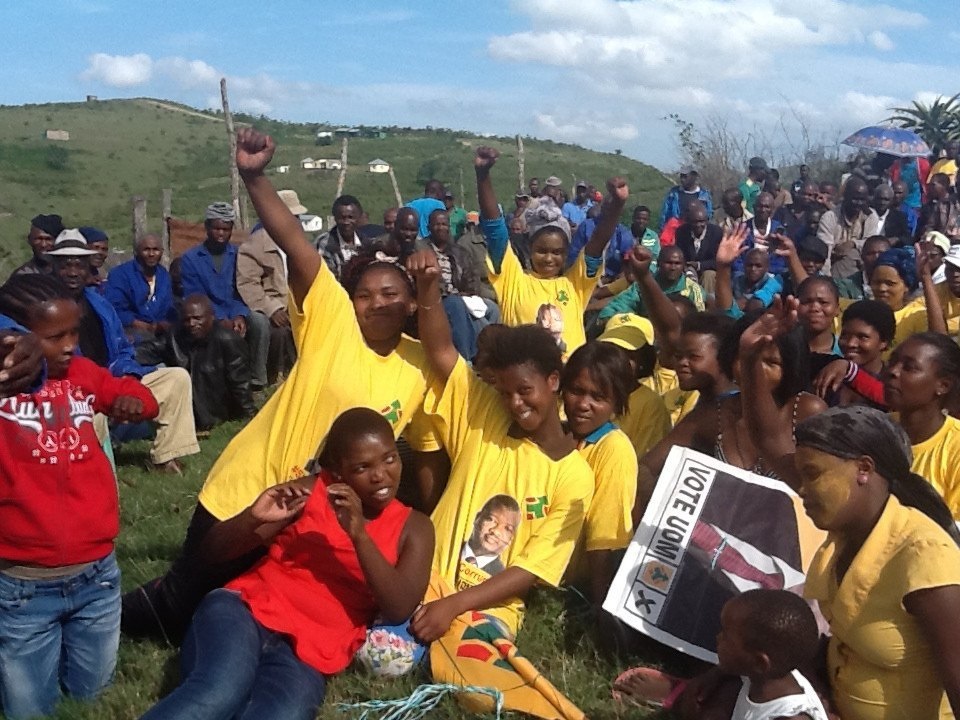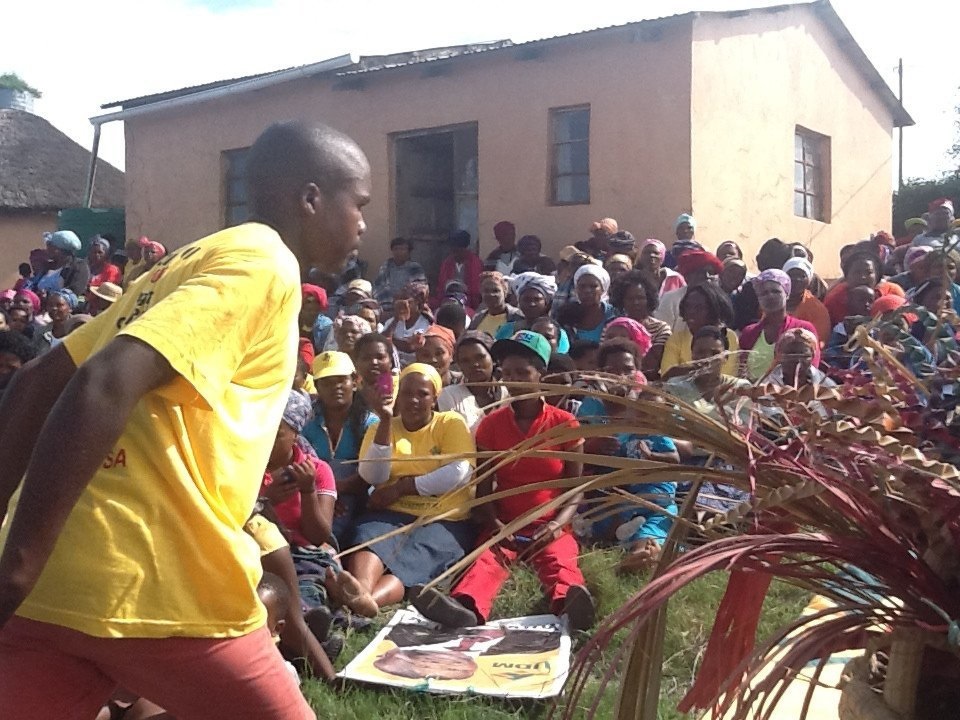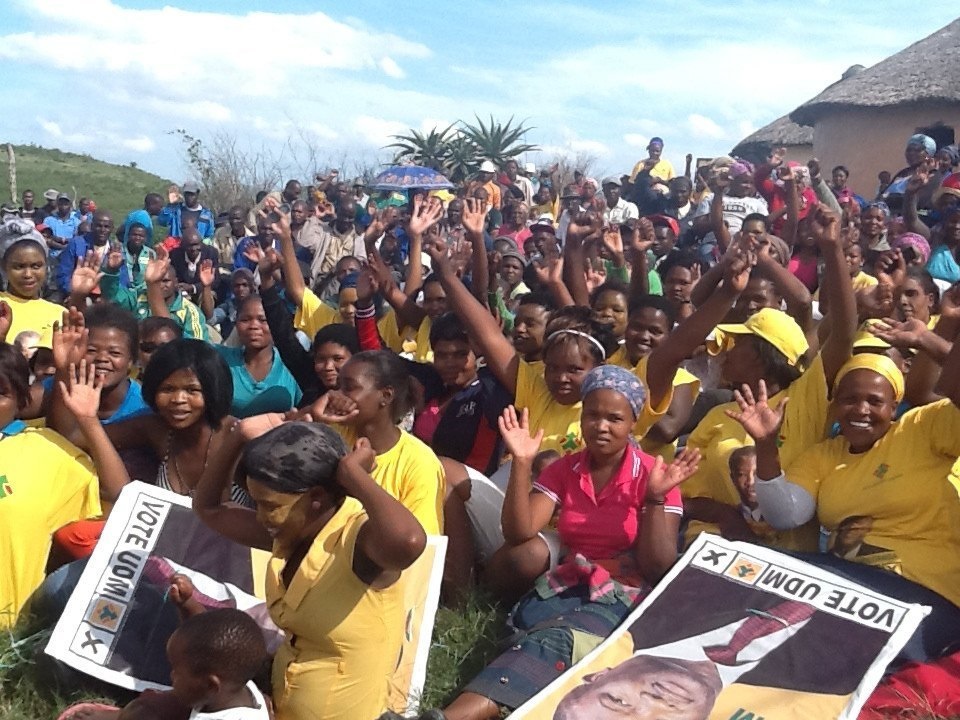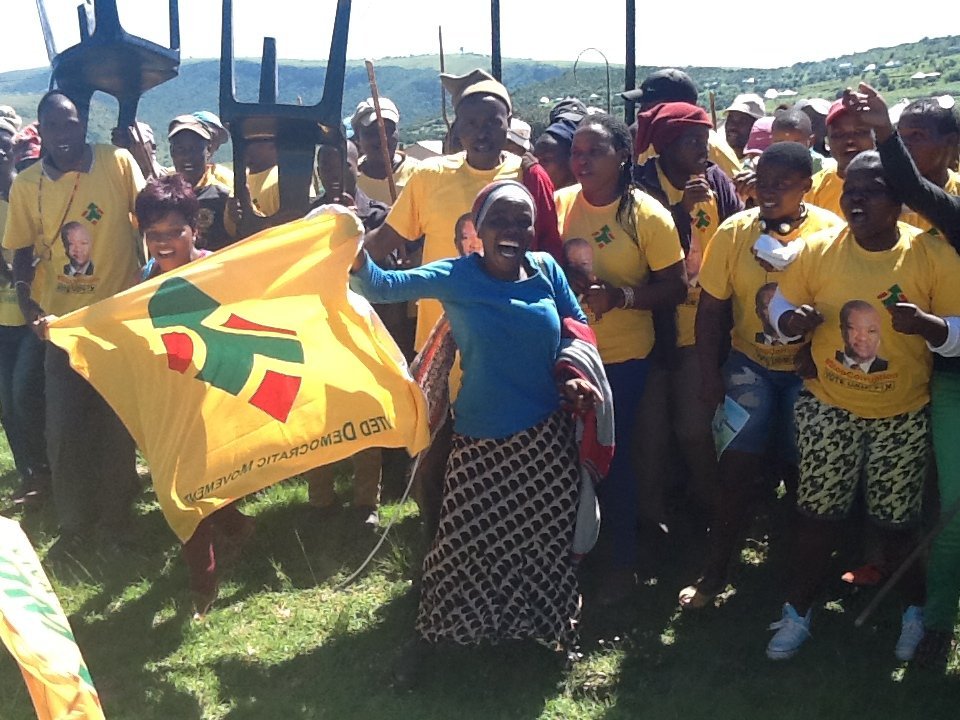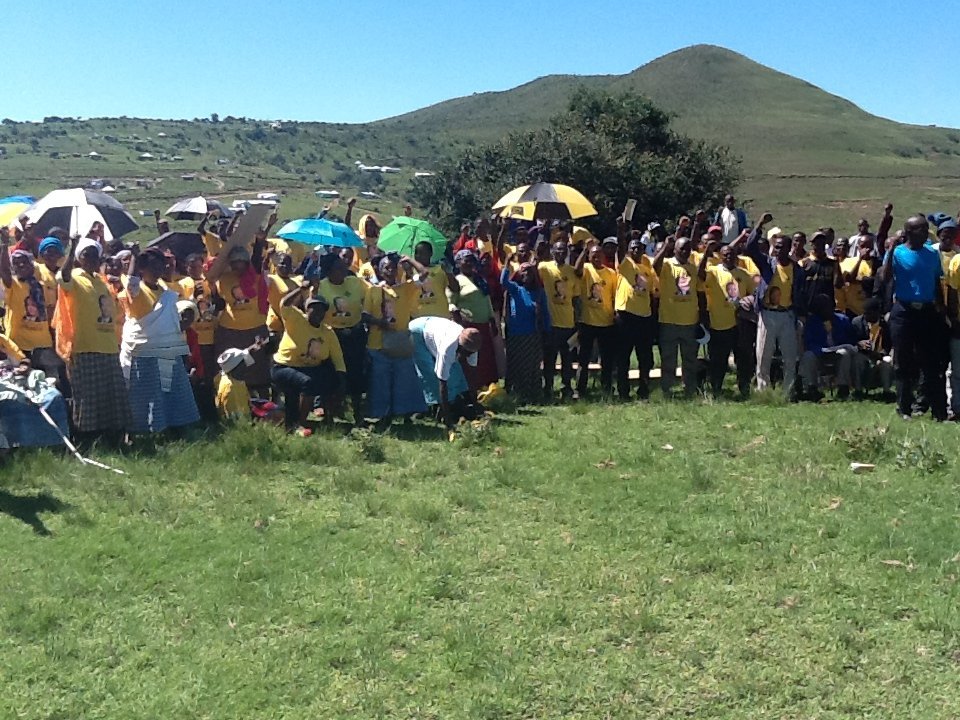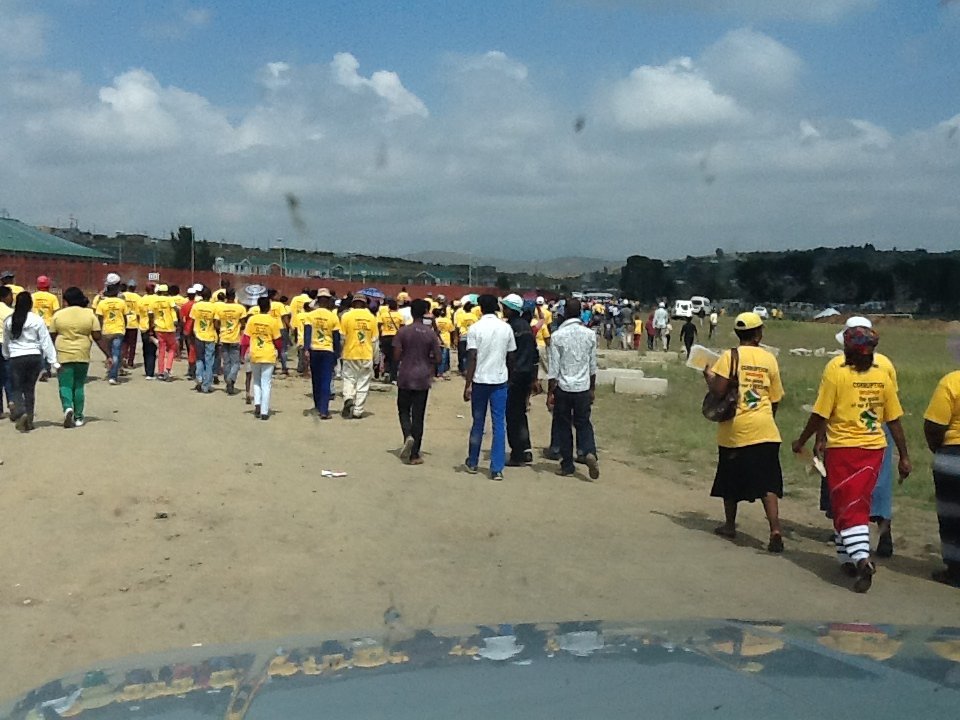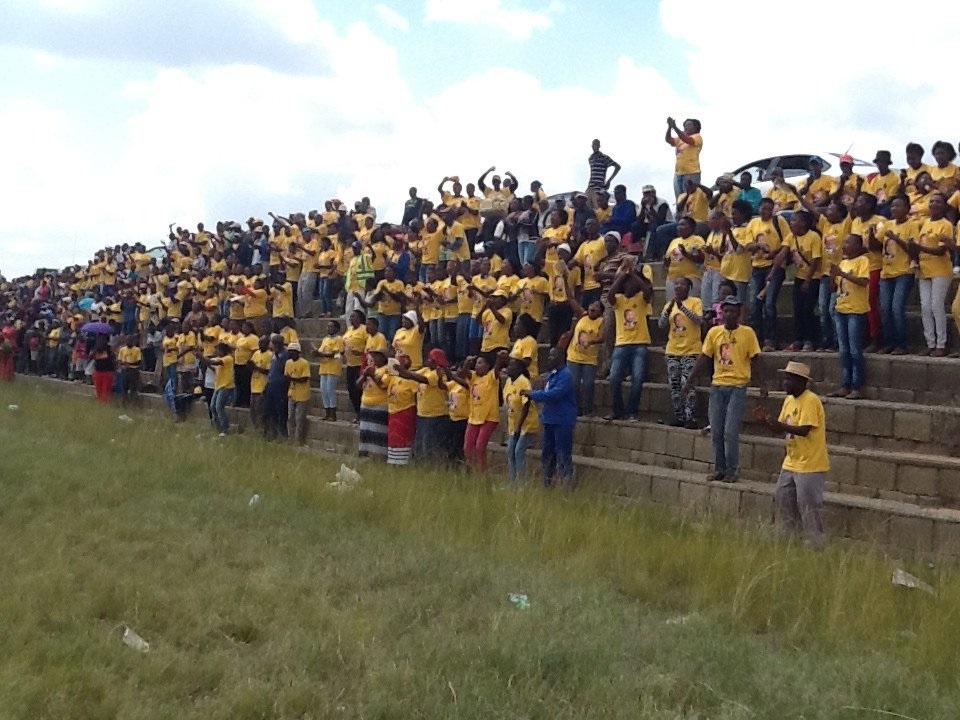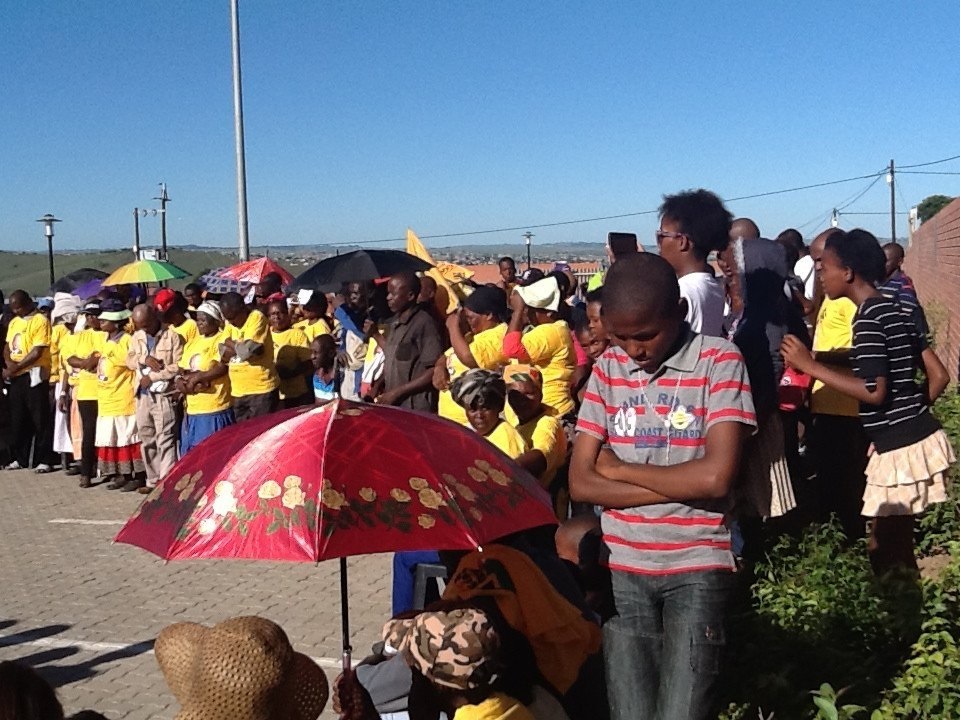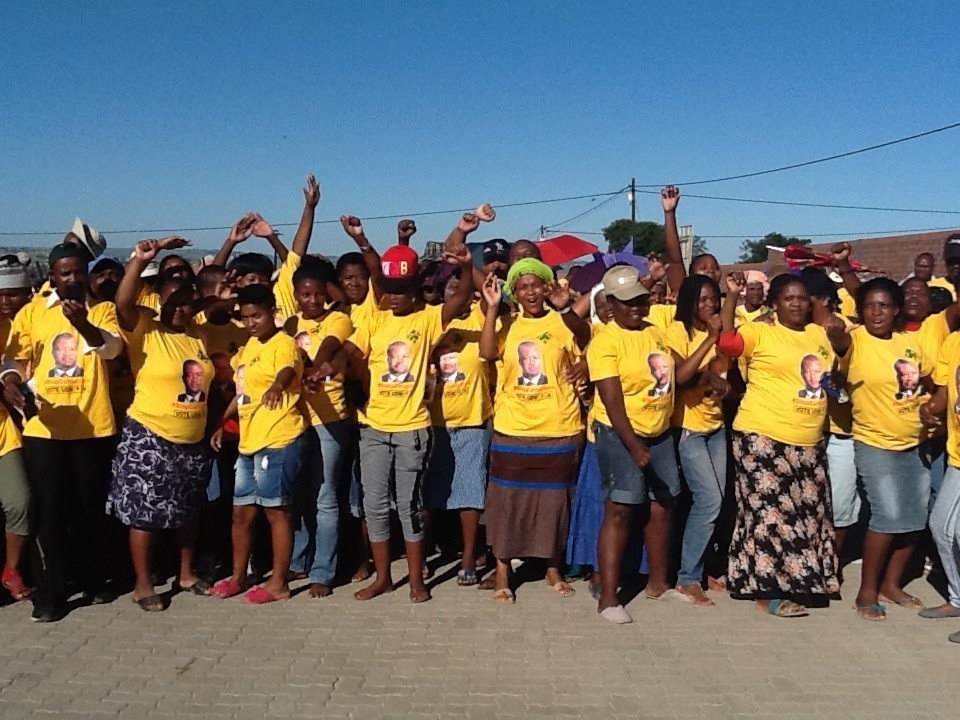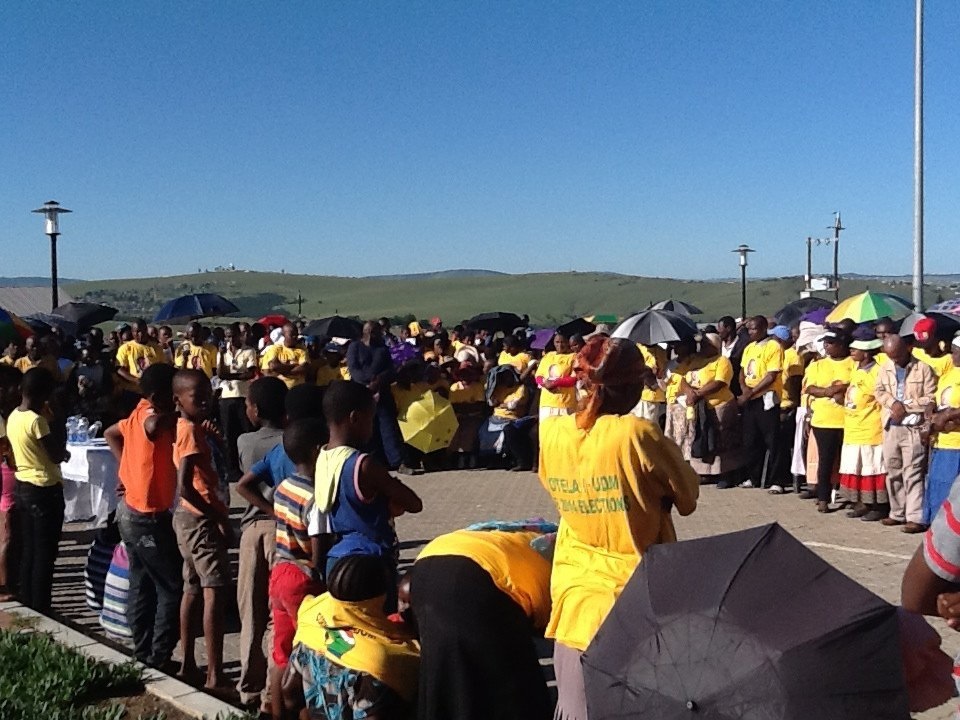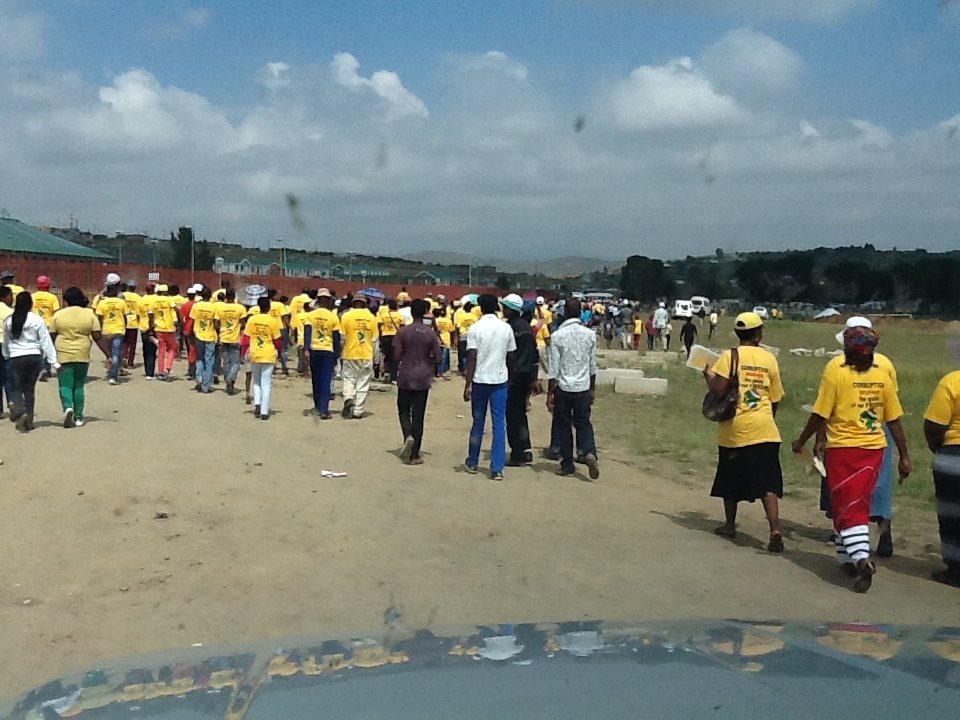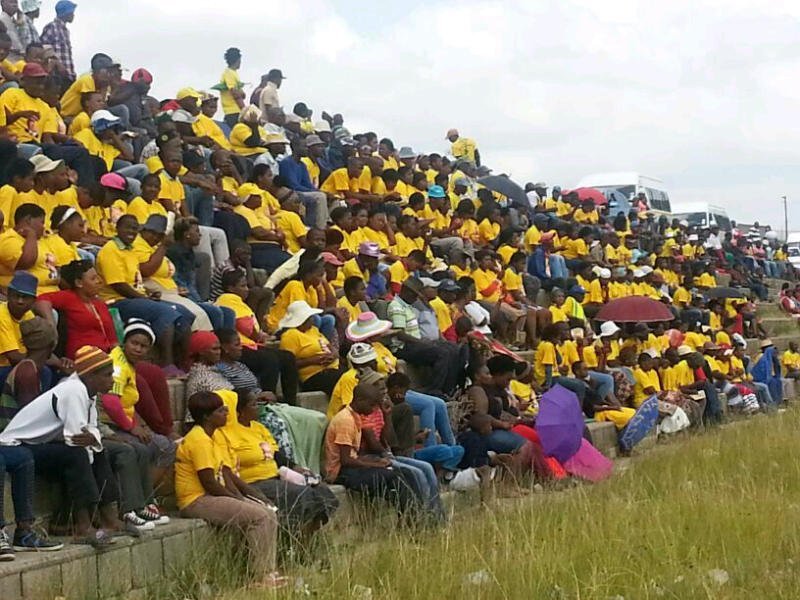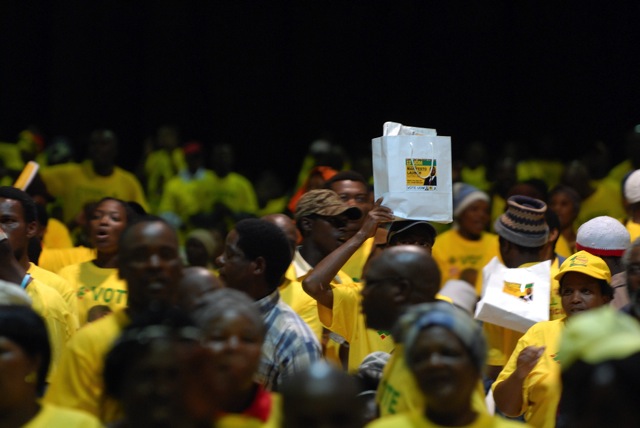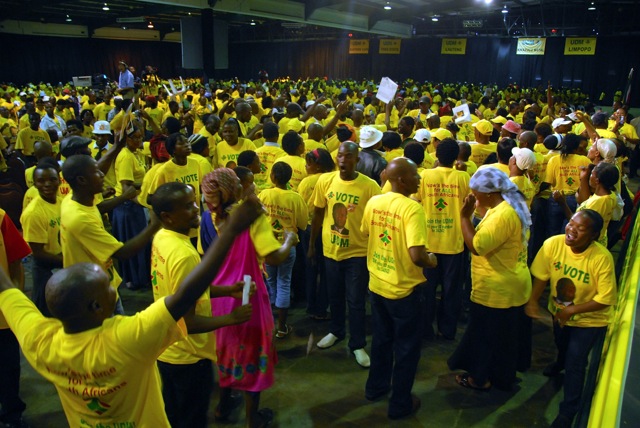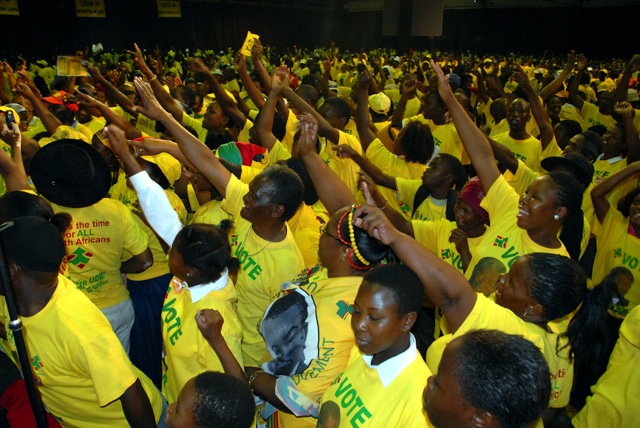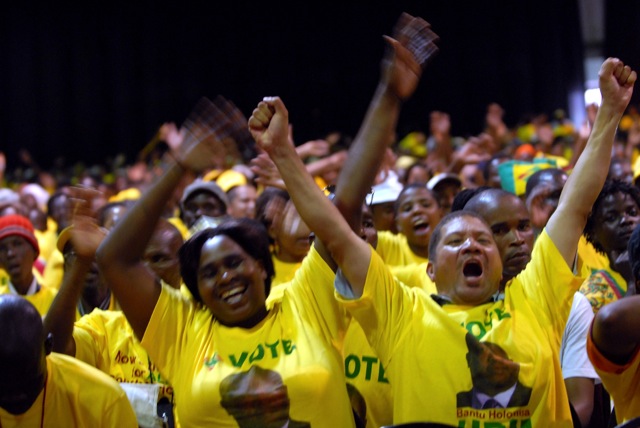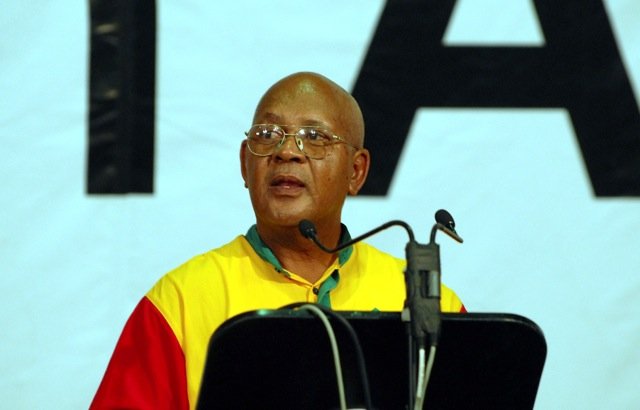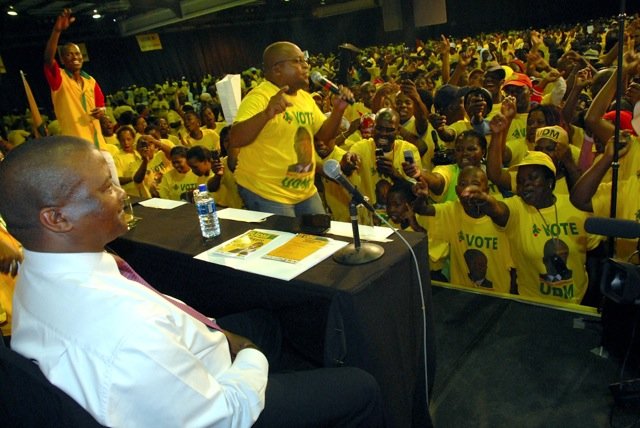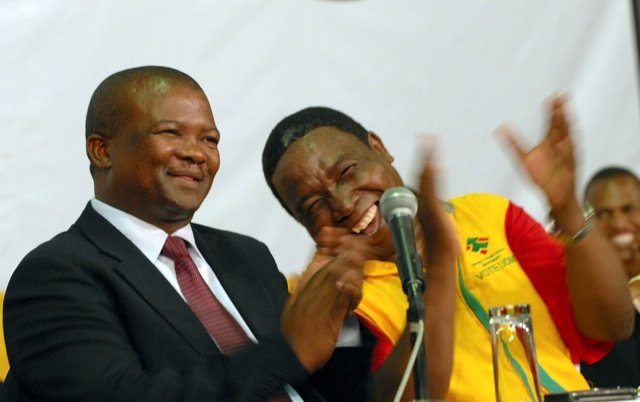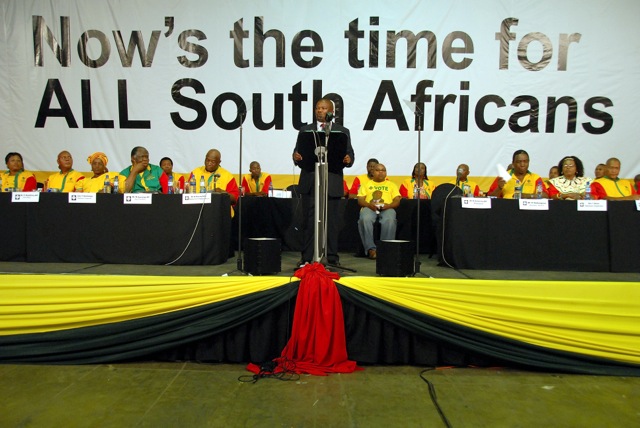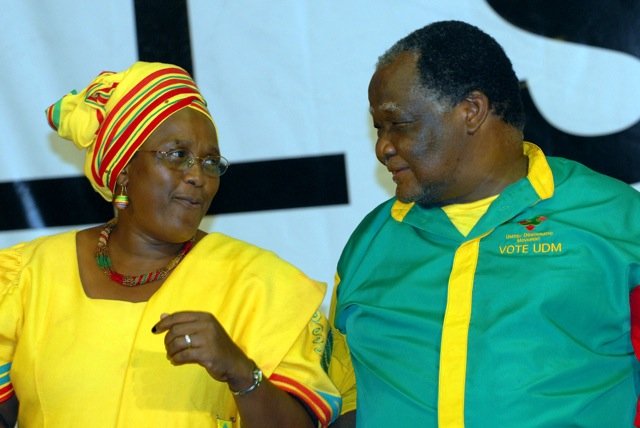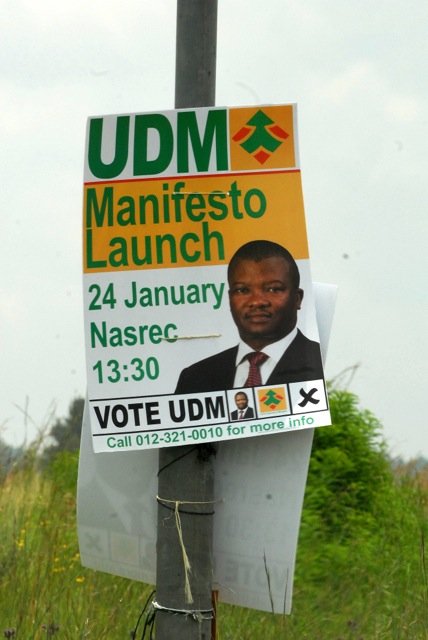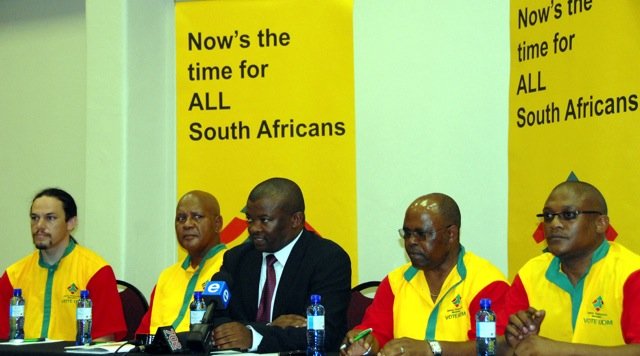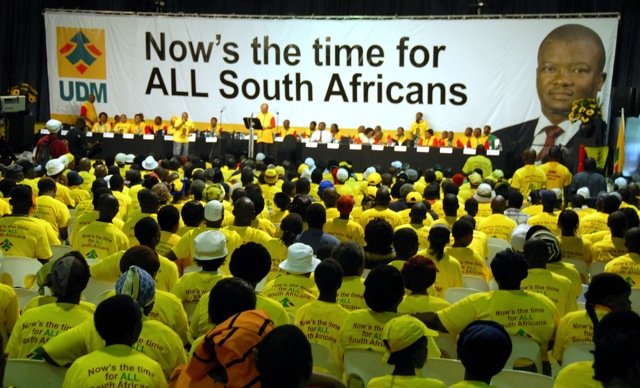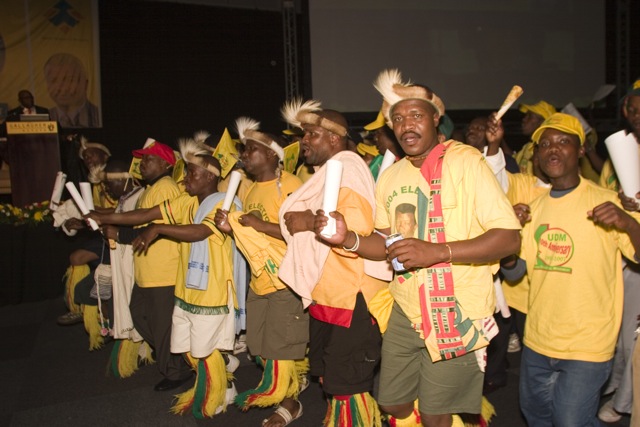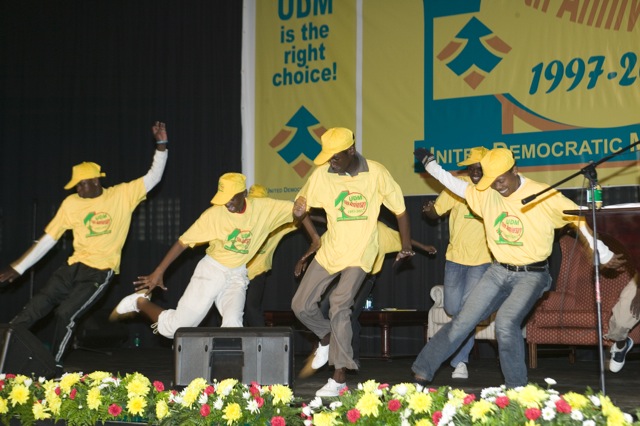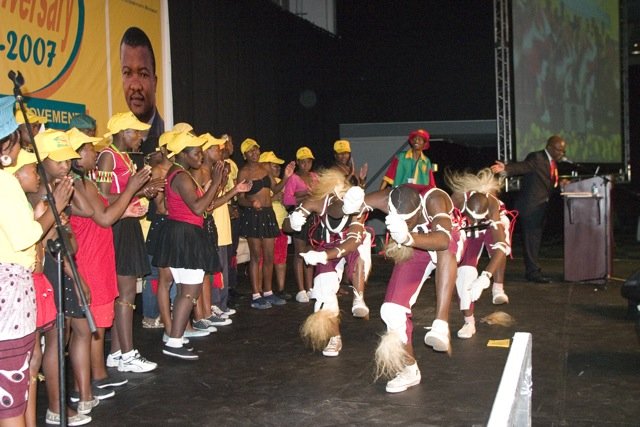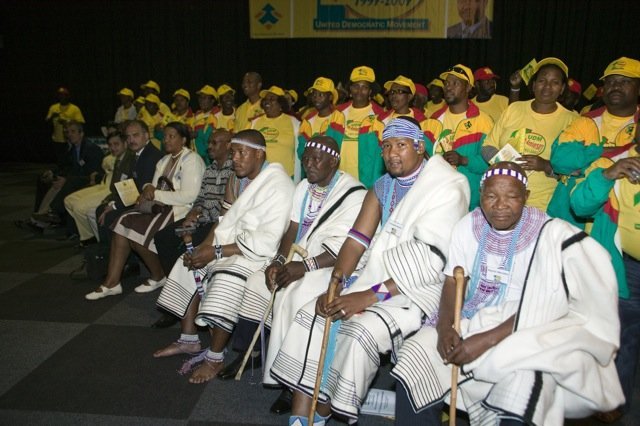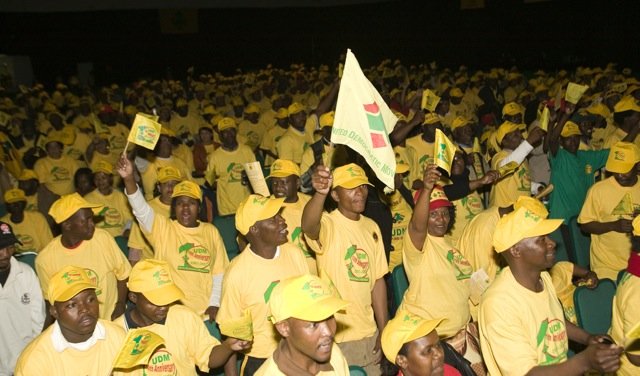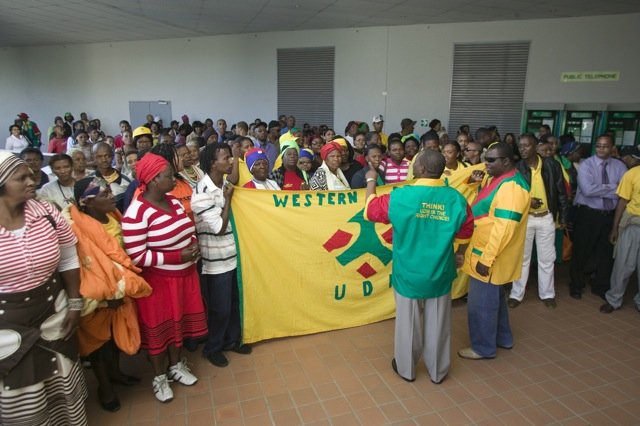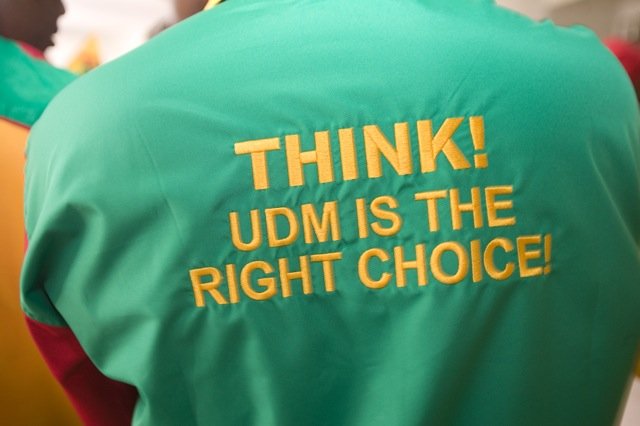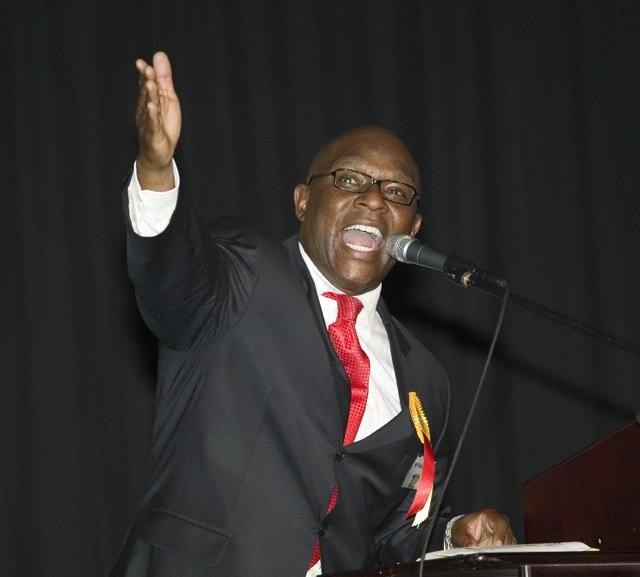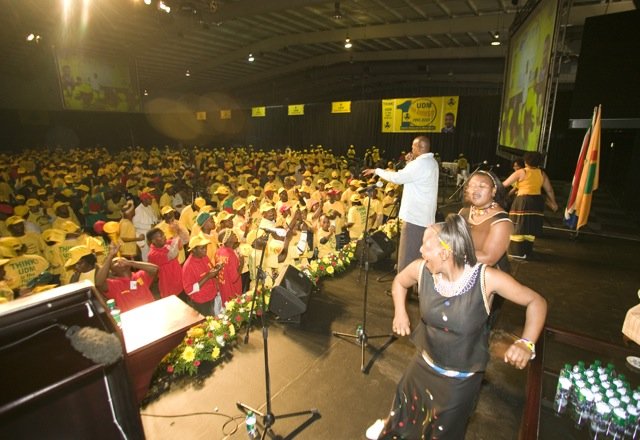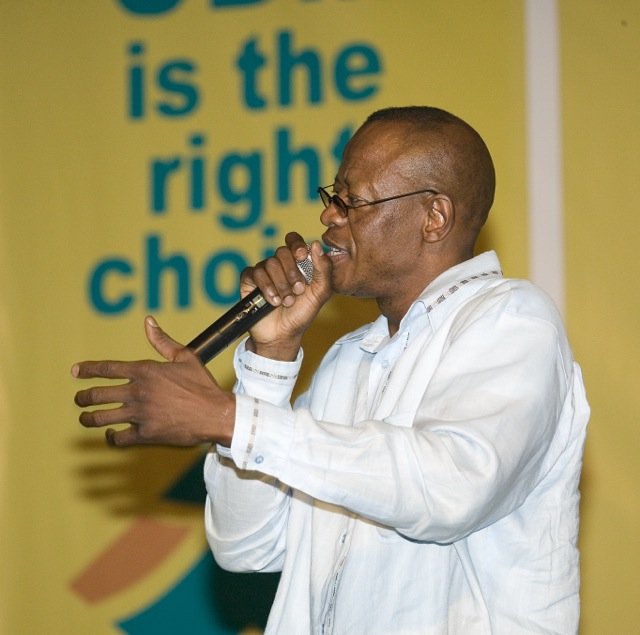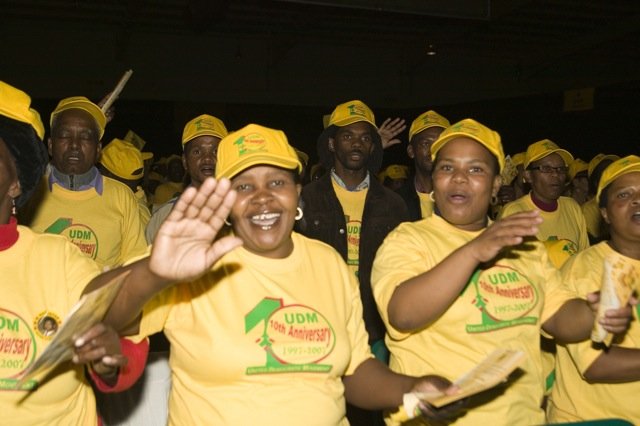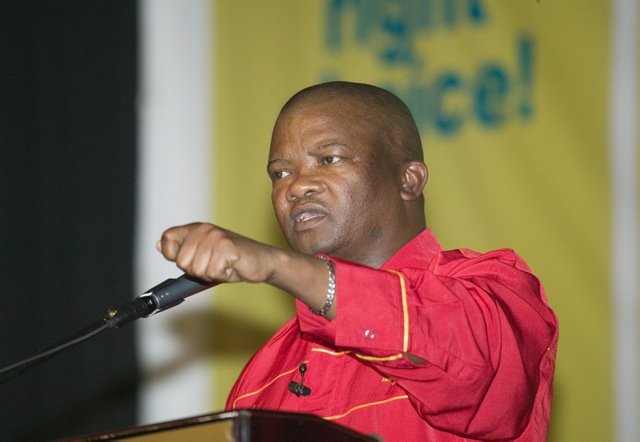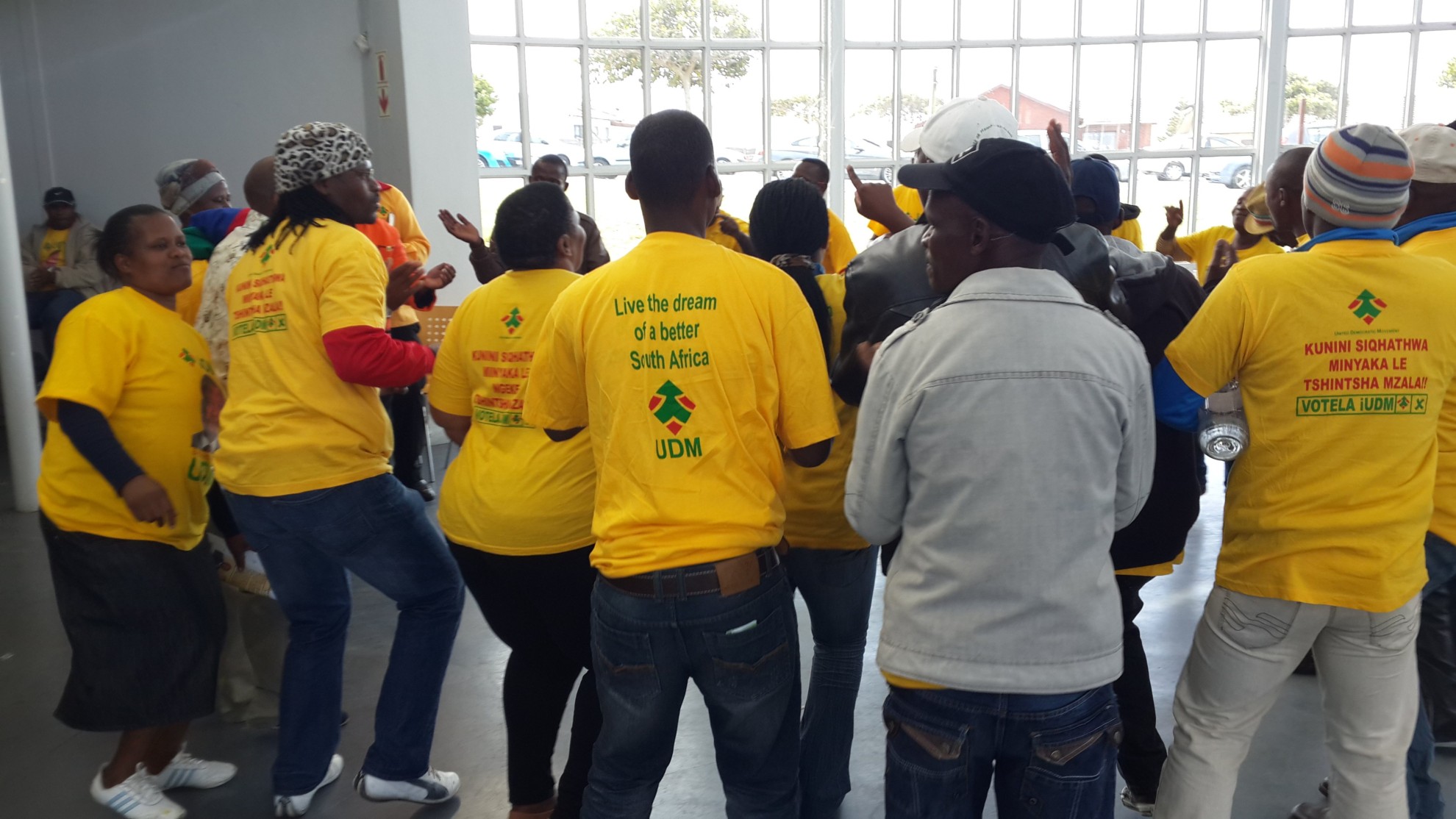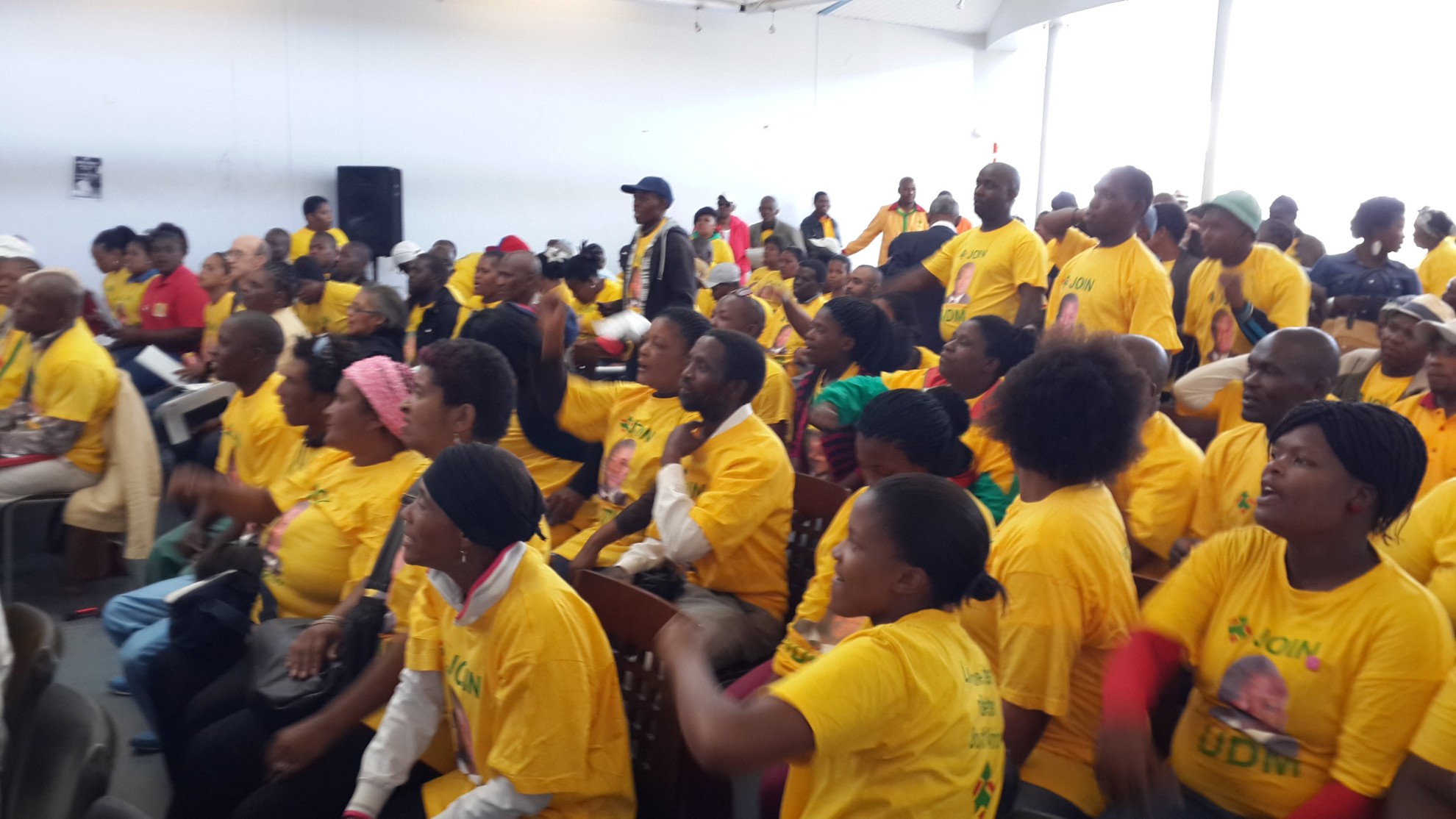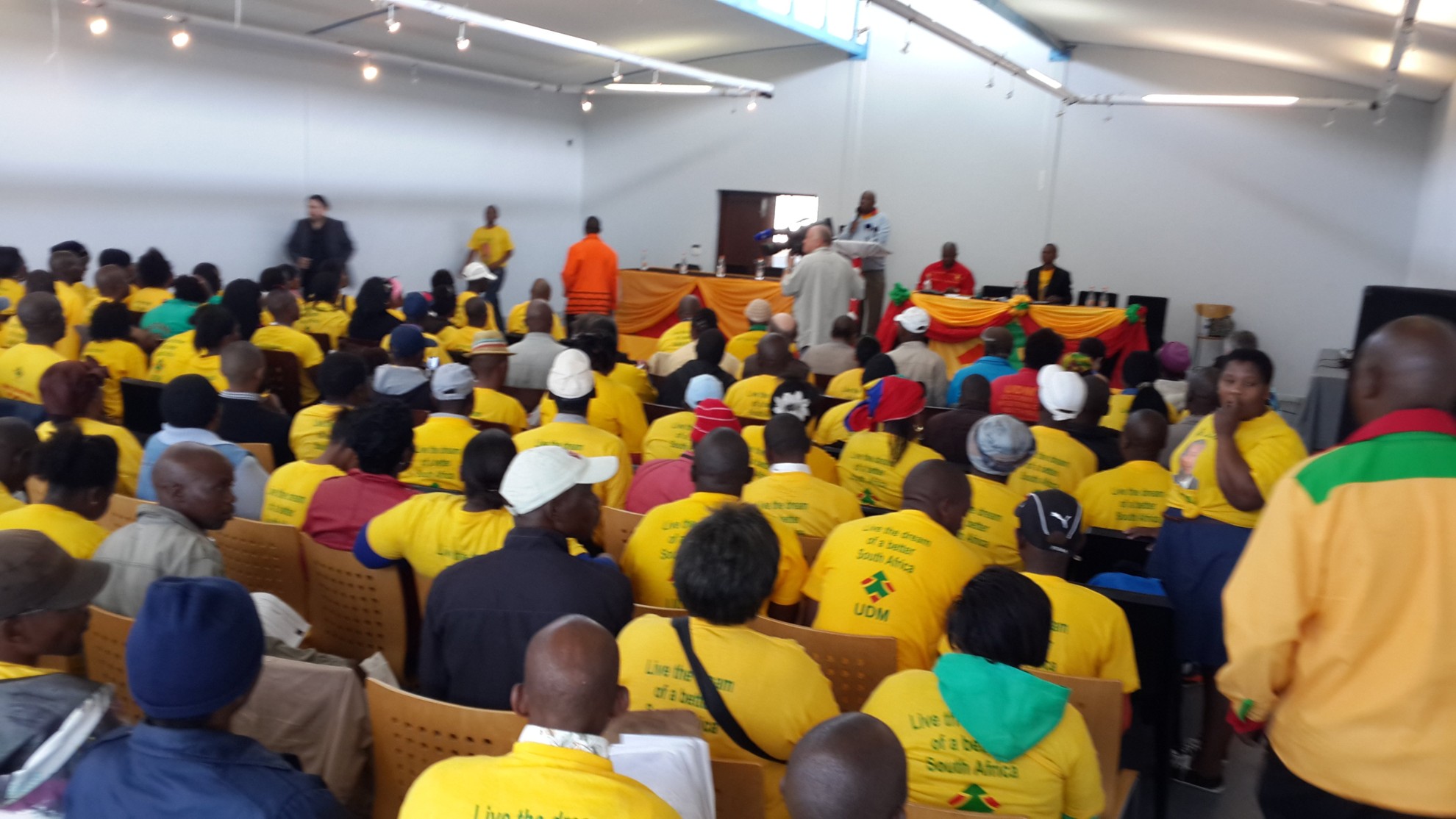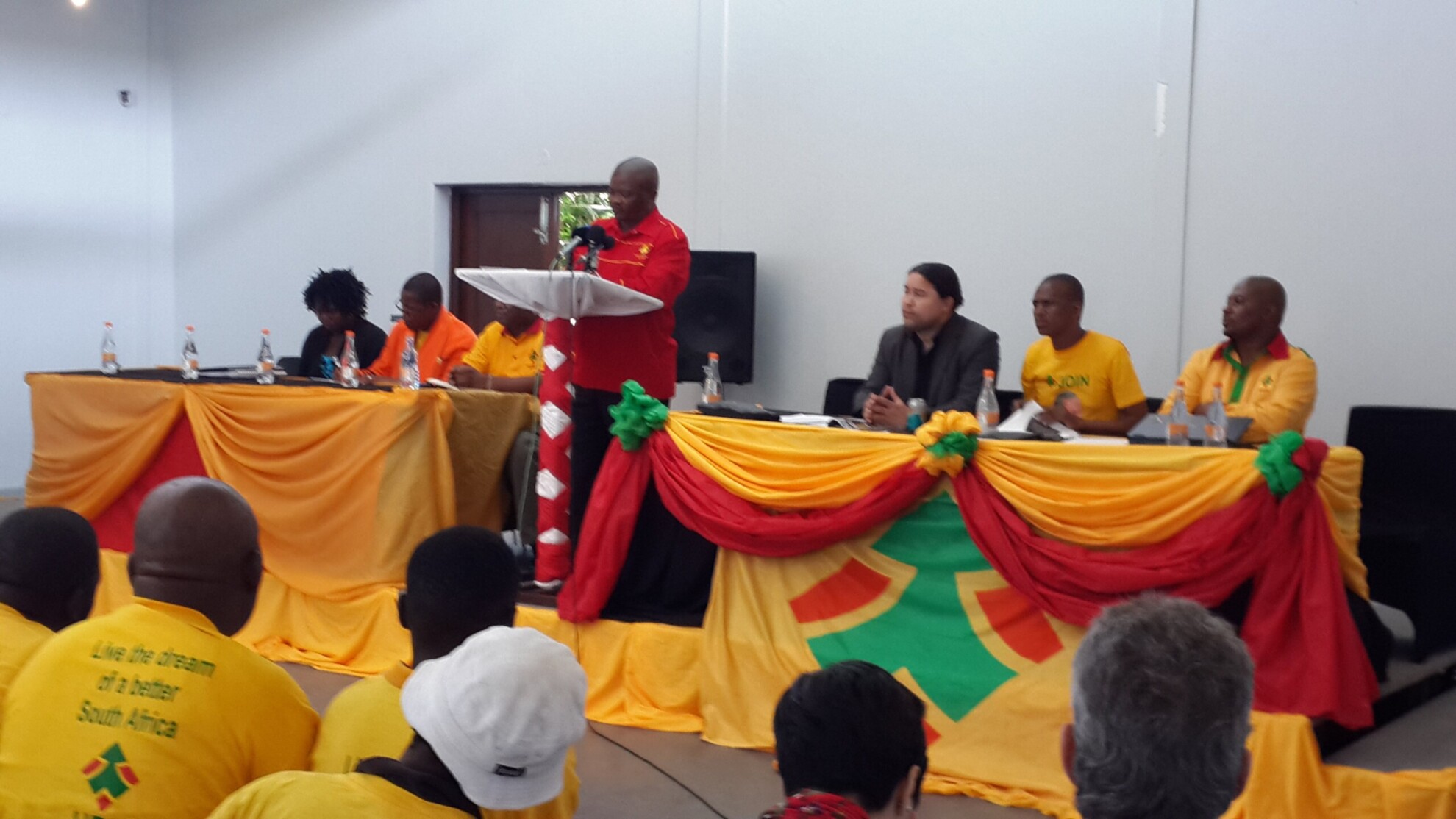
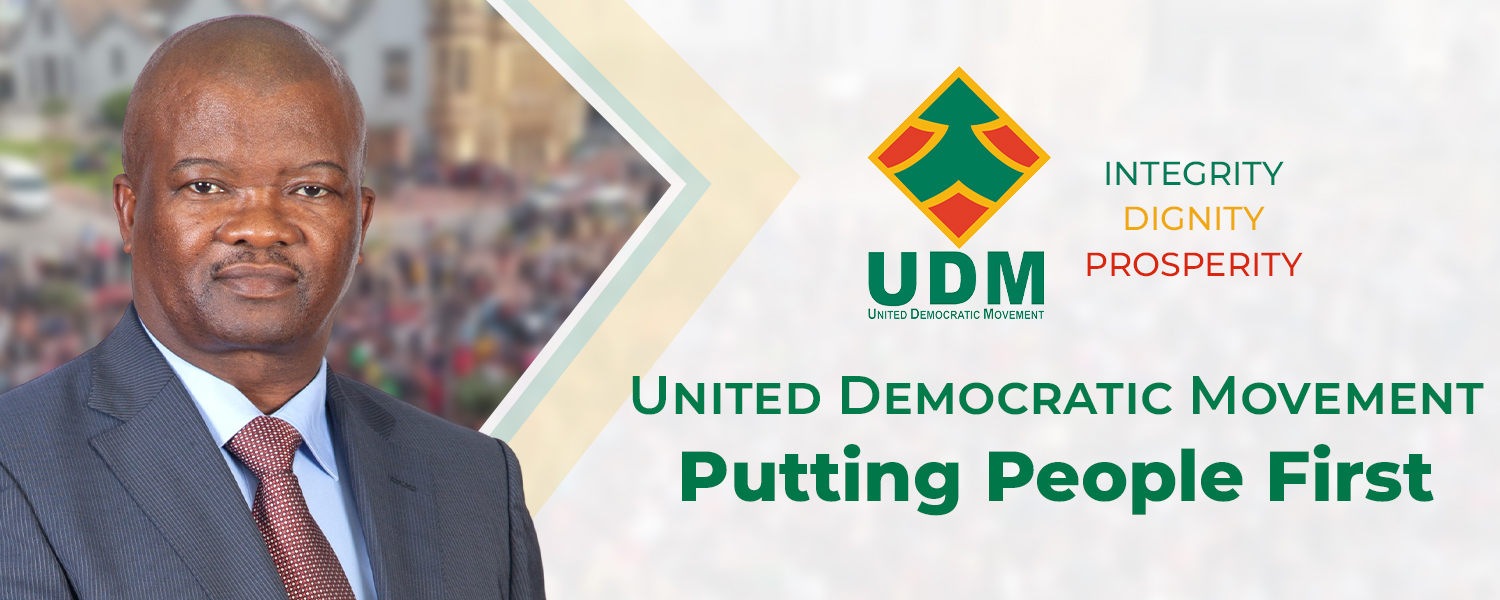

We will unite South Africans from all communities in a new political home, built on the foundation of the principles and ideals of our National Constitution. To this end we will address poverty and imbalances in our society, inspired by our unifying love of our Country and its people.

The Core Values, which the United Democratic Movement will uphold and promote and upon which its fundamental policy positions are based, are as follow : respect for life, dignity and human worth of every individual; integrity in public- and private life; the individual rights and freedoms enshrined in our Country’s Constitution;
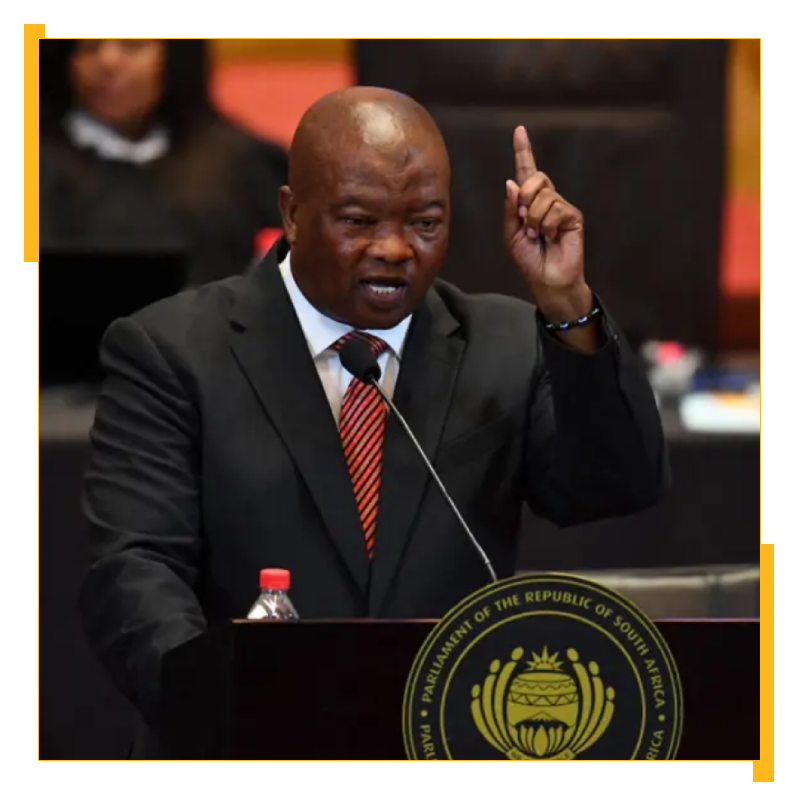
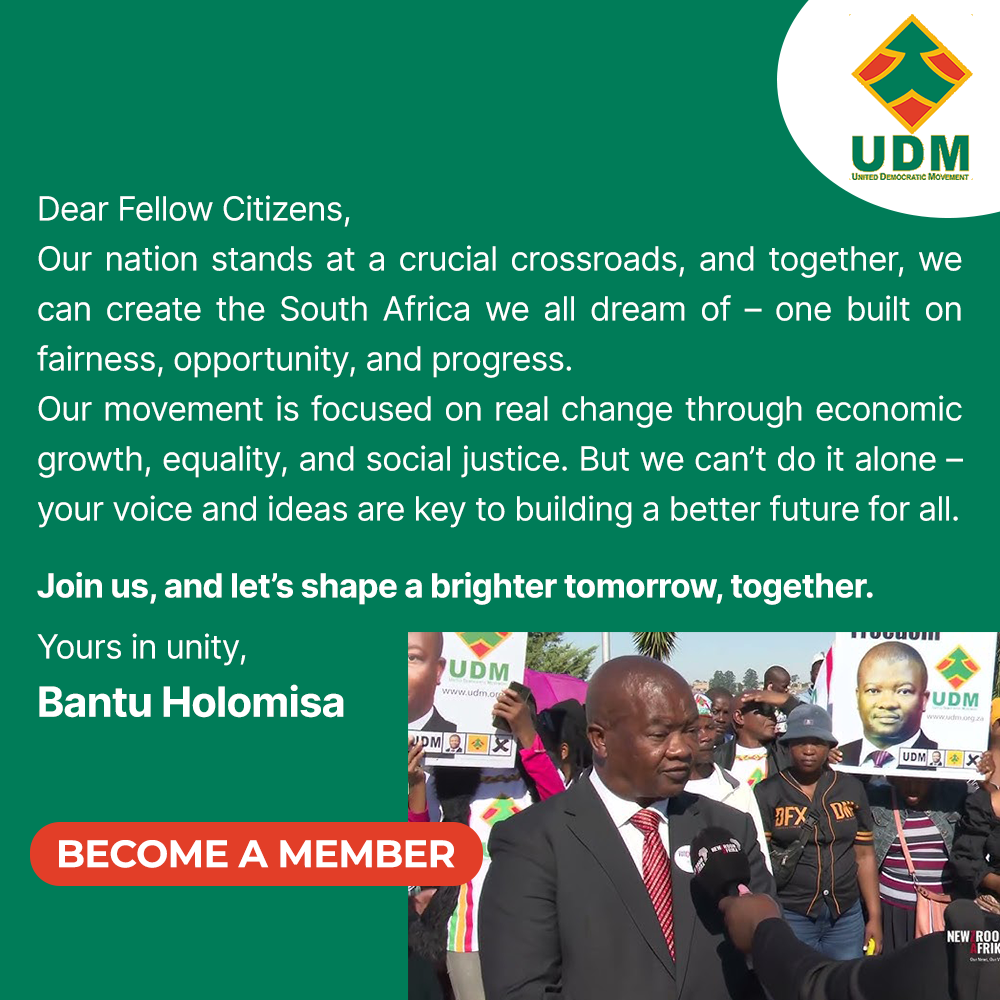
President of the UDM
Major General (Retired) Bantubonke ‘Bantu’ Holomisa co-founded the United Democratic Movement (UDM) on 27 September 1997, and serves as its elected President, which in 2022 celebrated its 25th year of existence. He was again elected as a Member of Parliament in the 2024 National and Provincial Elections and was appointed as the Deputy Minister of Defence and Military Veterans in the Government of National Unity in the 7th Administration in President Cyril Ramaphosa’s cabinet.
He was the Commander of the Transkei Defence Force and Head of the Transkei Government (former independent homeland from 1987 to 1994) up to the first National Elections in South Africa in 1994. He was one of the first two black persons accepted by the South African Army College to do a one-year senior staff course for officers in 1984.







Contribute For Us
The United Democratic Movement (UDM) has worked diligently to promote the interests of all South Africans over the years. Despite the challenges and stumbling blocks the party rose to the occasion and scored many political victories. Our successes are manifested in our public representation at various levels of government across the country, but also in the influence we have had irrespective of the ruling party’s parliamentary majority.
The UDM’s vision is to be “…the political home of all South Africans, united in the spirit of South Africanism by our common passion for our Country, mobilising the creative power inherent in our rich diversity, towards our transformation into a Winning Nation”.

Admin

21 Jul, 2026
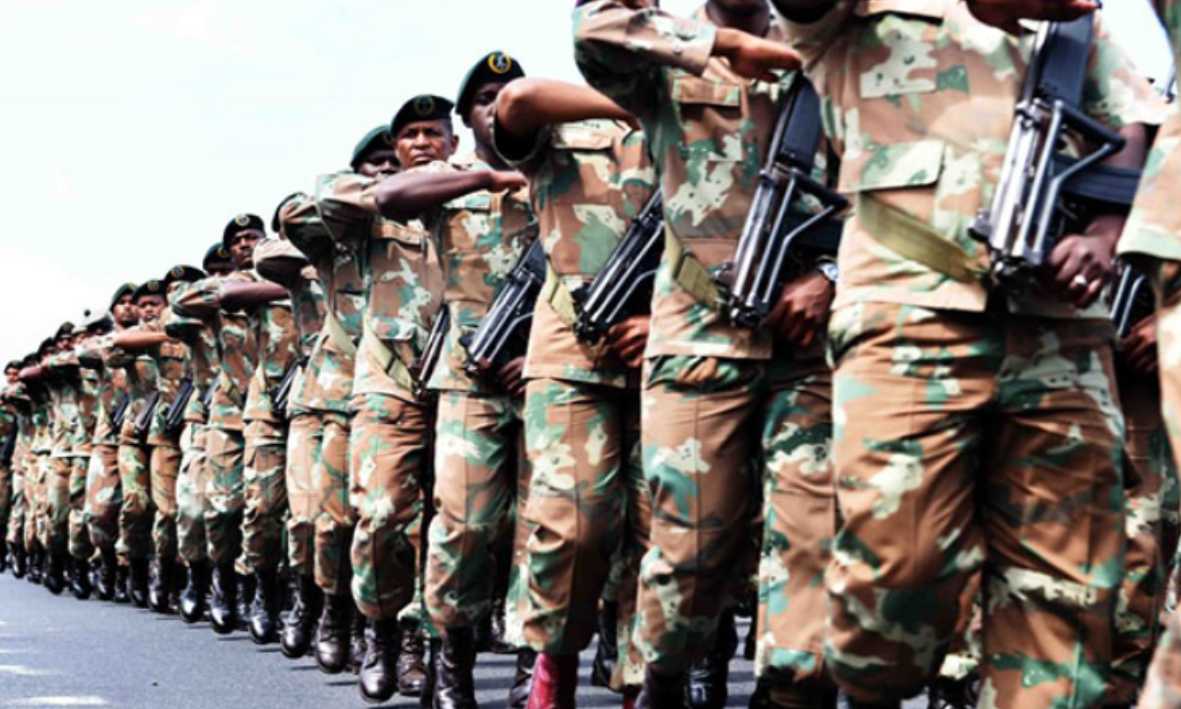
Keynote address by Deputy Minister of Defence and Military Veterans, Maj. Gen. (Ret) Bantu Holomisa, MP at the Defence Industry Lekgotla – 21 July 2026 Ministry of Defence and Military Veterans of the Republic of South Africa Programme Director; Honourable Minister of Defence and Military Veterans; Members of the Executive; Members of Parliament; Chief of the South African National Defence Force; Chiefs of Service and Divisions; Representatives of the defence industry; Representatives of Armscor, Denel, the CSIR and other research and development institutions; Representatives of the private sector, organised business, academia and labour; Distinguished guests; Ladies and gentlemen; Good morning. The purpose of this session of the Defence Industry Lekgotla is not simply to speak about the defence industry. It is to ask a more fundamental question: What must we do, together, to ensure that South Africa retains a capable, sustainable and sovereign defence capability in an environment of limited public resources and rapidly changing security threats? My assignment today is simple, but the consequences of how we approach it are significant: I have been tasked with speaking about Public-Private Partnerships and, more importantly, how we can move from discussion to practical implementation. Let us begin with honesty. We know many of the challenges confronting the Department of Defence and the defence industry. We know that there are significant infrastructure backlogs. We know that many military facilities require rehabilitation, modernisation and maintenance. We know that the Department has significant requirements in relation to prime mission equipment and the sustainability of existing capabilities. We know that there are challenges relating to military housing, health facilities, logistics infrastructure and other support systems. We know that our defence industry faces challenges relating to demand, funding, skills, research and development, industrial sustainability and access to markets. These challenges are not new. We have spoken about them for many years. The 2015 Defence Review already warned that inadequate levels of defence spending had placed the defence force and the local defence industry under severe pressure. More recently, Parliament has again highlighted the serious funding constraints facing the Department of Defence. For the 2026/27 financial year, the Department has been allocated approximately R57.6 billion, while Parliament has continued to emphasise the need for a sustainable funding model for defence. The reality is that the Department has substantial responsibilities, but the resources available to meet all those responsibilities are limited. We cannot pretend otherwise. The question before us is therefore not whether the problems exist. The Department cannot simply assume that every infrastructure backlog, every equipment requirement and every modernisation project will be fully funded through additional allocations from the National Treasury. That is not a realistic assumption. At the same time, we cannot accept the gradual deterioration of strategic defence capabilities as inevitable. We cannot allow our military bases to deteriorate indefinitely. We cannot allow our personnel to live in conditions that undermine their dignity and morale. We cannot allow critical infrastructure and equipment to reach a point where the cost of replacement becomes greater than the cost of timely intervention. We must therefore consider additional and innovative ways of mobilising capital and expertise. The timing of this conference is great because Cabinet has approved the Journey to Greatness, meaning the Defence Budget will look different and be in line with the instruction of the President that the Defence defunding must be arrested and the defence budget should grow to a favourable 1.5% of the GDP. This is where I believe the discussion on Public-Private Partnerships becomes important. 1. PPPs as a strategic instrument Let me be clear. When I speak about Public-Private Partnerships, I am not speaking about selling off the assets of the Department of Defence. I am not speaking about selling military land to the highest bidder. I am not speaking about compromising national security. I am speaking about using a lawful, transparent and carefully structured instrument to mobilise private capital and expertise in areas where this can assist the State to deliver infrastructure and services more efficiently. South Africa's PPP framework exists precisely because government recognises that the private sector can, under appropriate conditions, contribute capital, expertise, innovation and long-term operational capacity to public infrastructure projects. 2. Defence land as a strategic asset One of the important advantages of the defence portfolio is that the State possesses significant land and other strategic assets. The National Defence White Paper has previously recorded that the SANDF controls approximately 500 000 hectares of state-owned land, while also emphasising the need for the cost-effective utilisation and rationalisation of military land. This land is not simply a commercial asset. It is a strategic national asset. There may be opportunities for carefully structured partnerships in which the State retains ownership and control while private partners provide capital, construction expertise, technology or operational capacity. This could include, subject to proper feasibility studies and all applicable legal and security requirements: • Military housing; • Health and hospital infrastructure; • Logistics and maintenance facilities; • Training and support infrastructure; • Modernisation of selected military bases; and • Other infrastructure required to support the SANDF. The question is not whether we should commercialise the defence estate. The question is whether we can use our existing assets more intelligently to support the defence mission. 3. Military housing and the dignity of the soldier Let us consider the question of military housing. A soldier who serves the Republic should not be expected to live indefinitely in conditions that undermine his or her dignity. In some instances, military personnel live far from their formations or in informal settlements because suitable accommodation is not available. This is not only a housing issue. It is a military readiness issue. It affects morale, discipline, operational availability and the relationship between a soldier and the institution they serve. We must therefore explore whether partnerships with credible property developers, financial institutions and institutional investors can assist in addressing the military housing backlog. The model could be structured in such a way that the State provides access to appropriate land, while a private or institutional partner provides capital and development capacity. The State could then make structured payments over an agreed period, subject to a properly designed contract and demonstrated value for money. This is not a proposal to give away defence land. It is a proposal to investigate whether the land already owned by the State can help us secure the infrastructure required by the defence force. 4. A military city for the future We must also think beyond individual projects. In Pretoria, for example, various defence-related functions and institutions are spread across different locations, while the State incurs substantial expenditure on rented office accommodation. We should ask ourselves whether there is a better long-term model. Can we consolidate appropriate defence functions? Can we make better use of defence-owned land? Can we create a modern, integrated military precinct that brings together appropriate military, administrative, training, housing and support functions? I am not suggesting that every military function should be placed in one location. Nor am I suggesting that security considerations can be ignored. But we should at least investigate the feasibility of a modern military city or integrated defence precinct where appropriate. Such a project could be designed around modern principles of planning, sustainability, technology and efficiency. We now have access to advanced design technologies, including artificial intelligence-enabled tools, that can assist with planning and modelling. The objective should be to develop infrastructure that is fit for purpose, cost-effective and appropriate for the needs of a modern defence force. 5. The role of institutional investors We should also engage seriously with institutional investors. The Public Investment Corporation, for example, manages substantial institutional capital and has established experience in property and unlisted investments. However, it has also suffered significant losses in the past on certain unlisted investments involving billions of rands in pensioners’ money. Its property investment activities include development and investment in sectors such as office, industrial, specialised property and student accommodation. This raises an important question. Can the Department of Defence, together with the relevant government departments and agencies, engage institutional investors to explore carefully structured, long-term infrastructure investment opportunities? The principle is straightforward. A credible investor provides capital for a project. The project is constructed and maintained according to agreed standards. The State obtains the required infrastructure and service. The investor receives an agreed return over an agreed period. At the end of the agreed arrangement, the asset may return to the State in accordance with the terms of the contract. But let me emphasise: No such arrangement should be entered into merely because money is available. Every proposal must be tested against: • National security requirements; • Value for money; • Affordability; • Long-term fiscal implications; • Ownership and control; • Procurement law; • Security legislation; • Risk allocation; • Local industrial participation; and • The broader national interest. 6. Border security Where border infrastructure requires substantial investment in fencing, surveillance, sensors, communications and other capabilities, can we identify innovative models that allow the State to obtain the required capability more quickly and cost-effectively? 7. The navy and the defence industry The South African Navy requires a sustainable maritime infrastructure and industrial ecosystem. Where facilities require modernisation, including naval support infrastructure, we must ask whether there are credible partners who can bring capital, technical expertise and industrial capability into the equation. Such partnerships must, of course, protect the strategic interests of the Republic. 8. Prime mission equipment The discussion must also extend to prime mission equipment. The defence force cannot be effective without sustainable and modern capabilities across the land, air, maritime and other domains. But the acquisition of equipment cannot be separated from questions of affordability, maintenance, life-cycle costs, technology transfer and local industrial capability. One gets worried that should the SANDF get a deployment outside of our borders after our SAMIDRC withdrawal, would we have equipment that is in line with the mission requirements? The role of the defence industry must therefore extend beyond simply supplying equipment. We need to ask: • Can we improve maintenance, repair and overhaul capability? • Can we extend the life of existing platforms where appropriate? • Can we develop local manufacturing and technology capabilities? • Can we improve the sustainability of equipment already in service? • Can we use partnerships to develop new capabilities where this is strategically and economically viable? The role of institutions such as Armscor, the CSIR, Denel and the broader defence industry is critical in this regard. The CSIR already has capabilities across aerospace, landward sciences, command and control, cybersecurity, integrated security, radar, electronic warfare and other areas of defence research and technology. That is how we build a sustainable defence industrial ecosystem. 9. Youth, skills and technology I agree with the previous speakers, the future of defence is increasingly shaped by artificial intelligence, cybersecurity, autonomous systems, advanced manufacturing, robotics and other emerging technologies. These are already transforming military capability, and South Africa must ensure that it does not fall behind. We must therefore invest in our young people and create pathways from schools and universities into research, industry and the defence sector. My engagements with countries including Pakistan, India, Türkiye, the United Kingdom, France and Ethiopia have reinforced one lesson: countries that take defence seriously invest in their youth, technology and research. Institutions such as the CSIR, universities, Armscor, Denel and industry must work together to develop the skills, research and innovation required to build a sustainable and competitive South African defence industry. 10. International partnerships International partnerships must also be used to advance South Africa’s transformation objectives, particularly through meaningful Broad-Based Black Economic Empowerment. We must ensure that partnerships create opportunities for South African companies, especially emerging black-owned enterprises and young entrepreneurs, to gain access to markets, technology, mentorship, skills development and practical experience in the defence industry. Our young people must not remain spectators while major international companies participate in South Africa’s defence economy. Through properly structured partnerships and BBBEE commitments, young South Africans must be given opportunities to enter the defence value chain, develop their businesses, gain exposure to international standards and build the experience required to become future manufacturers, innovators and exporters. 11. A new approach to partnership I believe we need a new approach. We must move away from thinking about the defence industry only in terms of annual procurement. We must think in terms of long-term capability. We must move away from isolated projects. We must think in terms of integrated systems. We must move away from the assumption that every challenge can only be solved through a larger allocation from the fiscus. We must ask what can be achieved through better planning, better partnerships, better use of existing assets and more innovative financing models. But I must also emphasise that partnerships must not become an excuse for the State to abdicate its responsibilities. 12. The way forward I would therefore like to propose that this Lekgotla should not end with a list of challenges. We already know many of the challenges. South Africa already has a policy framework for Public-Private Partnerships, including the framework issued by National Treasury. The Department of Defence also has a dedicated team which has been familiarising themselves with the National Treasury’s PPP Policies, comprised of Mr Lebelo of the Defence Secretariat and the incoming Chief of Staff, General Xundu, which will engage the various formations of the SANDF, including the Army, Air Force, Navy and SAMHS, to identify priority areas requiring partnership. We must develop a clear menu of these requirements, aligned with the National Treasury framework, and present it to the defence industry so that potential investors can identify where they can contribute. The objective is to move from broad discussions to specific, structured and implementable opportunities. The Honourable Minister has made it clear that we must move with urgency and ensure that this Lekgotla does not become another talk shop. Following this engagement, the defence leadership must convene a focused roundtable to finalise priority areas so that, when industry approaches us, we are ready to direct them towards clear and well-defined opportunities. That said, it would be in our best interests for us to develop a practical partnership roadmap. This roadmap should identify: First, the major infrastructure and capability backlogs that require urgent attention. Second, which of these areas are suitable for PPP or other partnership models. Third, what role should be played by the Department of Defence, the Department of Public Works and Infrastructure, Armscor, Denel, the defence industry, institutional investors, research institutions and other stakeholders. Fourth, what regulatory and policy interventions may be required. Fifth, how we protect national security and sovereign capabilities. Sixth, how we ensure local industrial participation, skills development, youth opportunities and technology transfer. And finally: What can be implemented, and by when? I would like to see the development of a practical PPP Action Plan that moves beyond general statements and identifies actual projects, potential partners, funding models, risks, responsibilities and timelines. The Department of Defence is not going anywhere. The SANDF is not going anywhere. As long as South Africa exists as a sovereign state, it will require a defence capability. This means that defence is, by its very nature, a long-term investment. The question is whether we will continue to respond to our needs only when the crisis has already emerged, or whether we will develop a long-term model that allows us to plan, invest, modernise and sustain our defence capabilities. To avoid this from being a talk shop, I am requesting that my Colleagues in Parliament, the Portfolio Committee and the Joint Standing Committee on Defence to ensure that this PPP discussion becomes a standing agenda in all their meetings. This will help monitor implementation. I thank you.
Admin
20 Jul, 2026
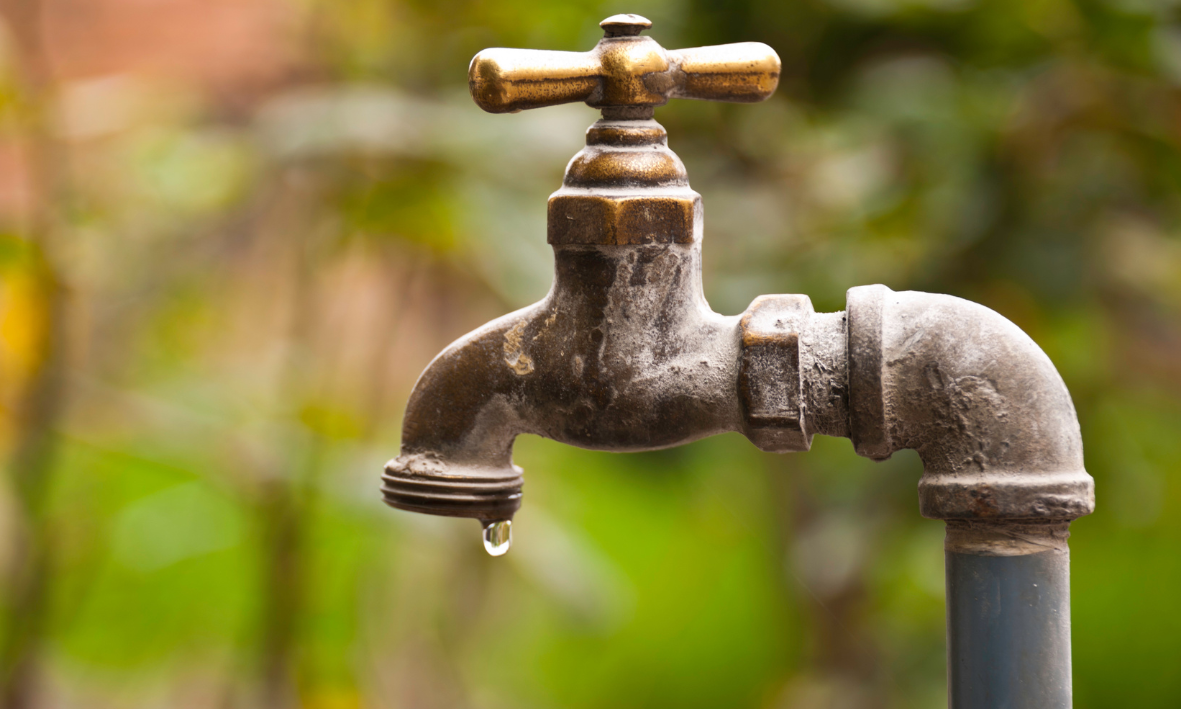
Statement by Remington Mazibuko, Councillor in the Inkosi Mtubatuba Local Municipality and UDM KwaZulu-Natal Provincial Chairperson The United Democratic Movement (UDM) in Mtubatuba welcomes the restoration of access to water at a communal tap in Majamisa Village, within the Inkosi Mtubatuba Local Municipality, after residents had complained for a prolonged period without receiving assistance. When the community approached me, I joined residents in taking up the matter and remained involved until water access was restored. The immediate relief experienced by residents is understandable. However, access to one communal tap must not be presented as though the water crisis in Majamisa Village has been resolved. Residents should not have to carry containers, queue at a communal collection point or organise their daily lives around an uncertain water supply. A communal tap may provide temporary relief, but it is not a substitute for reliable running water and proper household infrastructure. The fact that residents are grateful simply to have water flowing from one tap shows how badly they have been failed. Access to water is a constitutional right, not a favour that communities must repeatedly plead for. The uMkhanyakude District Municipality is the water services authority responsible for water and sanitation services within the Inkosi Mtubatuba municipal area. The water crisis in uMkhanyakude predates the current municipal term. Following the local government elections in November 2021, the national Department of Water and Sanitation invoked section 63 of the Water Services Act in February 2022 and appointed a water board to support the management, operation and maintenance of the District Municipality’s water and sanitation infrastructure. The intervention has since included the refurbishment and upgrading of water schemes across the district. Government has indicated that 22 projects, valued at approximately R1.3 billion, are being implemented and that the programme is expected to continue until September 2027. Despite this substantial and prolonged intervention, residents of Majamisa Village still do not have reliable running water in their homes. This raises serious questions about what has been achieved, which projects have reached communities in Inkosi Mtubatuba and why residents remain dependent on temporary communal water points. Furthermore, the people of Majamisa Village must not become casualties of political rivalry or administrative buck passing between the African National Congress (ANC) led uMkhanyakude District Municipality and the Inkatha Freedom Party (IFP) led Inkosi Mtubatuba Local Municipality. The District Municipality bears responsibility for water services, while the Local Municipality is the government closest to residents and has a duty to ensure that the needs of communities are not ignored. Political differences cannot be allowed to delay cooperation or leave residents trapped between two municipalities blaming one another. Water has no party colour. The people of Majamisa Village are entitled to functioning infrastructure and dependable services regardless of which political party governs the District Municipality, the Local Municipality or any particular ward. The restoration of the communal tap must therefore be treated as an emergency measure while a permanent solution is implemented. The UDM in Mtubatuba calls on the uMkhanyakude District Municipality to explain how long Majamisa Village has been without reliable running water, why residents do not have adequate household connections and whether the current communal water point is intended only as a temporary intervention. The District Municipality must also disclose whether Majamisa Village forms part of any current water infrastructure project and provide the community with the relevant budget, implementation plan and timeframe for establishing a reliable and sustainable supply. The Inkosi Mtubatuba Local Municipality must ensure that the plight of Majamisa Village remains before council and that residents receive regular and truthful information about progress.
Admin
17 Jul, 2026
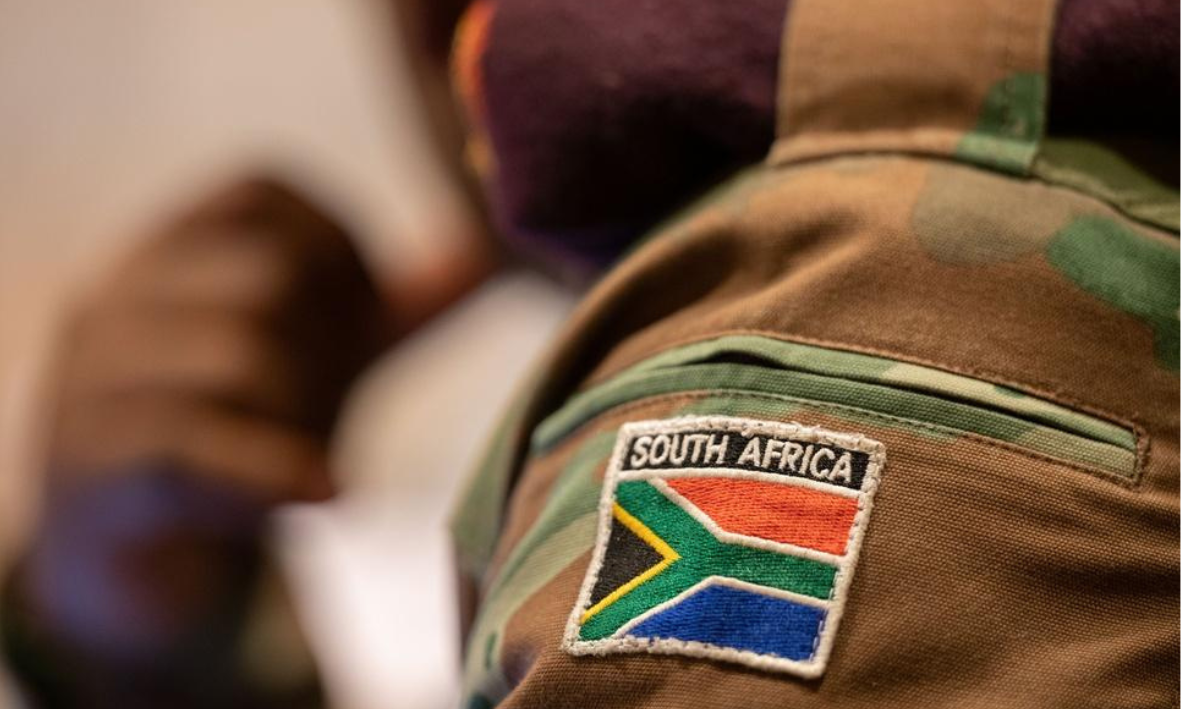
Statement by President of the United Democratic Movement, Deputy Minister Bantu Holomisa, MP The United Democratic Movement and our President, Major General (Ret) Bantu Holomisa, extend our heartfelt condolences to the families, loved ones and colleagues of the two South African National Defence Force (SANDF) members who tragically lost their lives after falling into an abandoned mineshaft during an operation against illegal mining. We also convey our deepest sympathies to the Chief of the SANDF, the broader defence community and all those mourning this devastating loss. The deaths of these two soldiers are a painful reminder of the dangers faced by the men and women entrusted with serving and protecting the Republic. Their dedication and sacrifice in the service of South Africa will not be forgotten. This tragedy also draws renewed attention to the serious dangers associated with illegal mining and the continued existence of unsecured and abandoned mine shafts across the country. Illegal mining is not a victimless crime. It endangers surrounding communities, undermines the rule of law, damages the environment and enables organised criminal networks. It also exposes members of the SANDF, the South African Police Service and other security personnel to extremely hazardous conditions. The UDM strongly condemns illegal mining and the criminal syndicates that organise, finance and profit from it. These networks must be identified, investigated and dismantled through coordinated and sustained law enforcement action. The UDM calls for a comprehensive investigation into the circumstances surrounding this tragic incident and urges all relevant authorities to accelerate efforts to identify, secure and rehabilitate abandoned mineshafts to prevent further loss of life among security personnel and civilians alike. Greater cooperation is required between mining companies and the departments responsible for mineral resources, defence, policing, local government and environmental management. Mining companies must also be held accountable for properly securing and rehabilitating disused mining infrastructure. South Africa cannot allow abandoned mineshafts to remain accessible to criminal enterprises while posing a continuing danger to communities and those entrusted with enforcing the law. The UDM honours the memory of the two fallen soldiers and extends its support and deepest sympathies to their families, the SANDF and the entire defence community during this time of grief. May their courage, dedication and sacrifice continue to inspire all South Africans. May their souls rest in eternal peace.
Admin
17 Jul, 2026
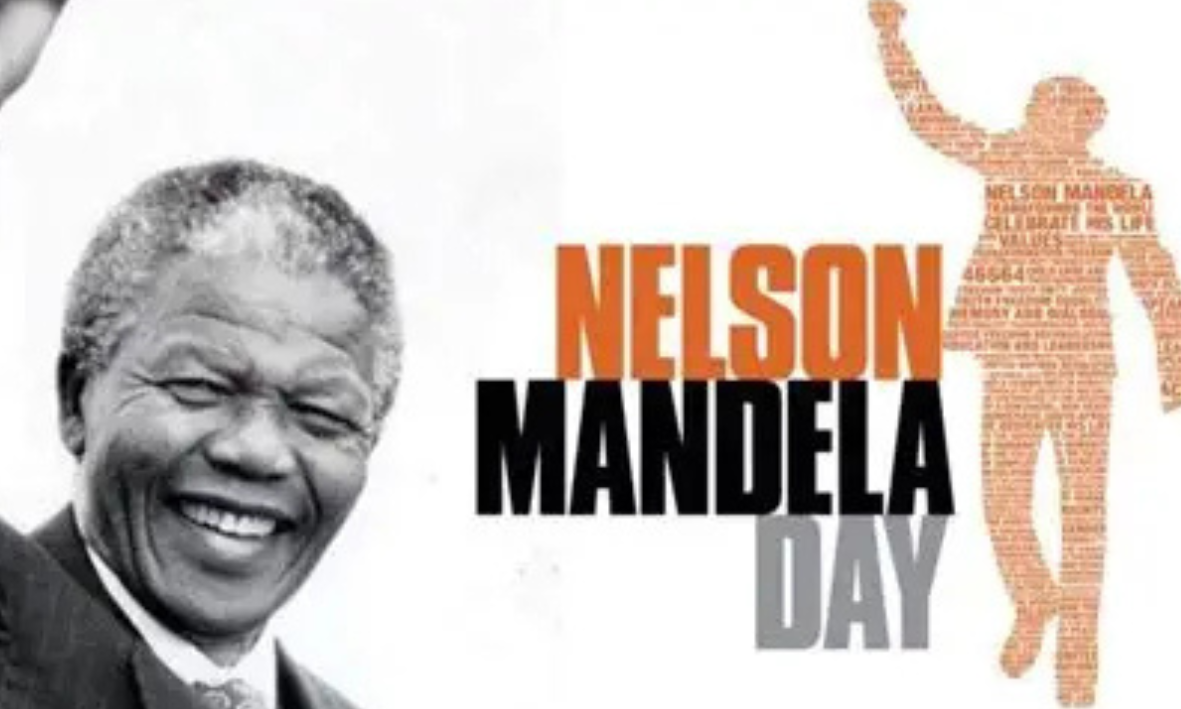
Statement by Nqabayomzi Kwankwa, MP, UDM Deputy President and Leader in Parliament As South Africa observes Nelson Mandela International Day on 18 July 2026, we remember former President Nelson Rolihlahla Mandela with the respect due to a departed elder and former Head of State. Nelson Mandela Day should, however, be more than an annual exercise in praise or symbolism. It should be a call to service, reflection and honest engagement with the condition of our country. President Mandela’s legacy remains the subject of two broad schools of thought. Many South Africans regard him as a central figure in the struggle against apartheid, a leader who helped guide the country through a dangerous political transition and who contributed to the establishment of a democratic constitutional order. Others believe that the political settlement reached during that period did not sufficiently transform the economic structure of the country, and that too many of the inequalities created under apartheid were allowed to continue. For many black South Africans who remain landless, unemployed, poor and excluded from economic opportunity, these concerns are neither abstract nor disrespectful. They arise from the realities of their daily lives. A mature democracy must be able to acknowledge both perspectives. We should neither dismiss President Mandela’s contribution nor pretend that the democratic transition resolved the structural injustices that continue to confront our people. United Democratic Movement (UDM) President Bantu Holomisa shared a deep relationship of trust with President Mandela. That relationship was built during a difficult period in our country’s history and was founded on frank engagement, mutual respect and a shared concern for South Africa’s future. Respect for President Mandela’s memory must therefore include the honesty that characterised relationships of that nature, rather than reducing his life and legacy to empty ceremony. Nelson Mandela Day should remind those who hold public office that leadership is not about personal enrichment, privilege or public performance. It is about service, integrity and responsibility to the people. South Africa continues to face deep poverty, unemployment, inequality, failing public services, crime and widespread disillusionment with political leadership. These conditions cannot be addressed through 67 minutes of activity once a year. They require sustained work, accountable government and the courage to confront the unfinished business of our democracy. The UDM calls upon South Africans to use this day to serve their communities, assist the vulnerable, care for the elderly, support young people and contribute to the restoration of dignity in the places where they live. As we remember President Mandela, may we do so respectfully, honestly and without mythmaking. May his soul continue to rest in peace, and may Nelson Mandela Day inspire a renewed commitment to building a just, equal and accountable South Africa.